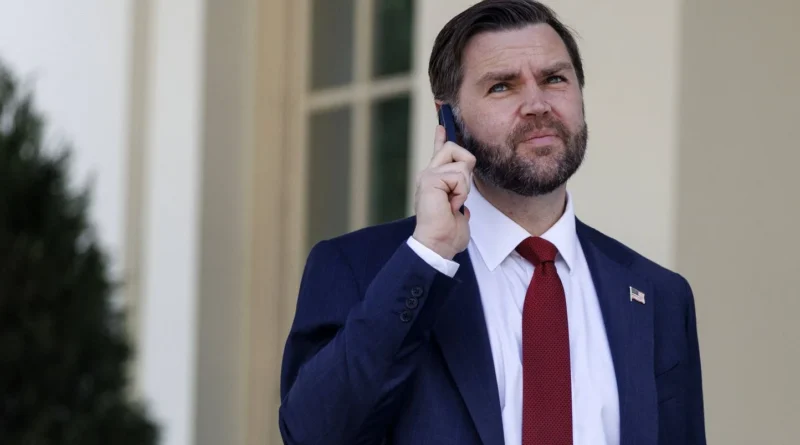
WORLD NEWS: Negotiators, progress, security… What do we know about the meeting between Iran and the United States in Pakistan
Sources confirm that the following story has emerged from the international scene.
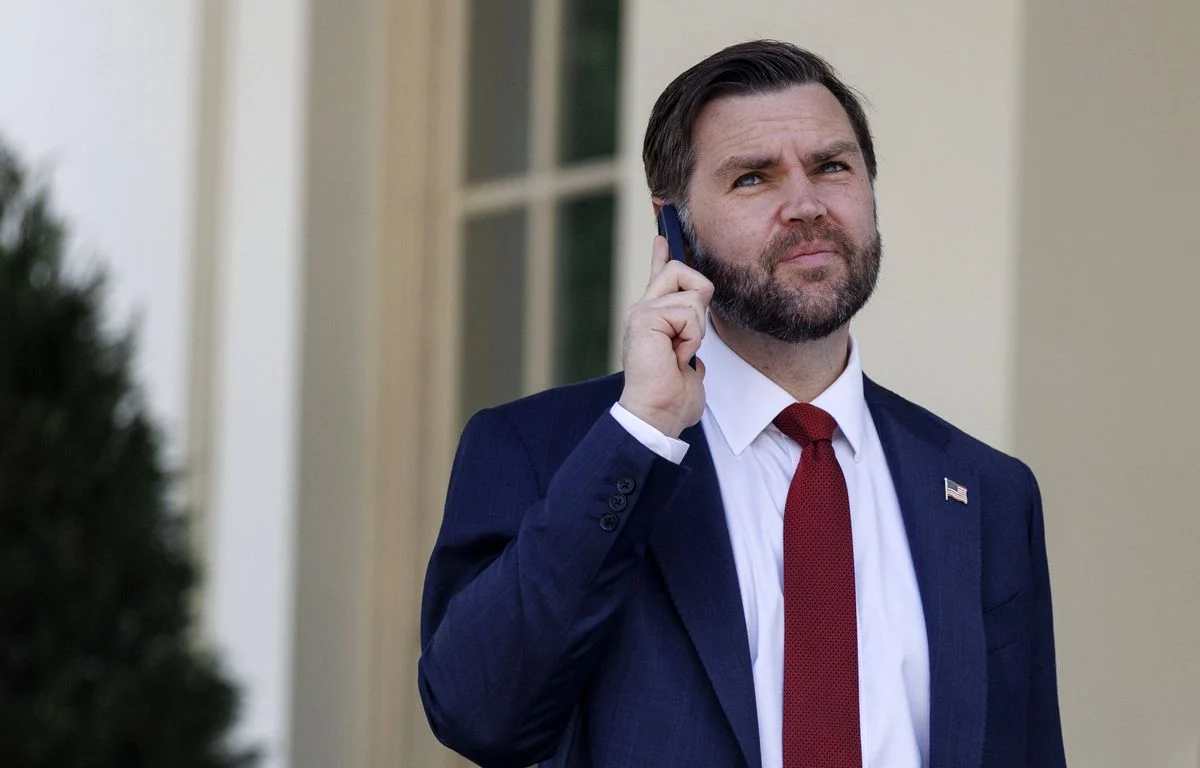
Transform a fragile ceasefire into lasting peace between the United States and Iran. This is the objective of the talks supposed to be held in Islamabad under the aegis of the Pakistani mediator. On February 28, American and Israeli strikes killed Iranian Supreme Leader Ali Khamenei and then targeted numerous infrastructures, killing more than 3,000 people. In response, Iran attacked Israel and Gulf countries, while almost completely blocking the Strait of Hormuz, through which about a fifth of the world’s oil and gas passes. On April 8, a ceasefire agreed between Washington and Tehran came into force but it expires on April 22. Hence the holding of these talks. Negotiators, mediators, security arrangements… Here are four things to know about this meeting which remains uncertain at this stage, the arrival of the delegations having not been confirmed. A huge gap between the two parties The American proposal, which would have 15 points, insists on Iranian enriched uranium, ballistic missiles, the relief of sanctions and the reopening of the Strait of Hormuz. For its part, the Iranian plan, in 10 points, demands control of the strait, with tolls for ships crossing it, the end of military operations in the entire region and the lifting of sanctions. “Iran’s refusal to give in to the United States’ long-standing nuclear demands will certainly prevent an agreement in Islamabad,” predicts the Soufan Center, a think tank based in New York. Lebanon also constitutes a major sticking point. Israel continues its strikes against Hezbollah despite the ceasefire, affirming that Lebanon is not affected by the truce. American Vice President JD Vance spoke of a possible “legitimate misunderstanding” on the Iranian side on this point. On Thursday, Iranian President Massoud Pezeshkian warned that Israeli strikes in Lebanon were making negotiations “meaningless.” Who are the negotiators? JD Vance will lead the US team, along with envoy Steve Witkoff and the president’s son-in-law Jared Kushner. Steve Witkoff had participated in discussions, mediated by Oman, with Iranian Foreign Minister Abbas Araghchi, before the war interrupted the process. The Iranian delegation has not been officially announced. But the media and the Soufan Center mention the presence of Parliament Speaker Mohammad Bagher Ghalibaf. This delegation considers the talks “as an implicit admission by the United States that the regime cannot be overthrown by external powers,” notes the Soufan Center. Pakistan as mediator Pakistan assumes mediation by virtue of its good relations with the two protagonists. Iran was the first country to recognize it after gaining independence in 1947. The two neighbors share a 900-kilometer border as well as deep historical, cultural and religious ties. Islamabad represents Tehran’s diplomatic interests in Washington in the absence of an Iranian embassy and has more than 20 million Shiite Muslims, the second largest community in the world after that of Iran. Islamabad also cultivates close relations with Washington, Riyadh and Beijing. Donald Trump actually declared to AFP that China had helped convince Iran to negotiate. “Hope was fading but China intervened and convinced Iran to accept a preliminary ceasefire,” a senior Pakistani official confirmed to AFP. Important security measure The Pakistani government has not confirmed the exact location of the discussions and even the date of their launch remains unclear. The Serena hotel, in the capital’s highly secure red zone, asked its guests to leave on Wednesday. The capital has been placed under high security, with the deployment of armed soldiers and numerous police checks. The talks are expected to remain indirect, with delegations in separate rooms and a shuttle of Pakistani intermediaries, as with previous discussions.
The Bigger Picture:
This development could have far-reaching consequences for global politics in the months ahead.
This is part of a broader trend that has been reshaping the geopolitical landscape in recent months.
Stay tuned for more updates as this story continues to unfold.
Source: This article was originally published in another language by 20Minutes – Actu Monde and has been translated and adapted for our global English-speaking audience. Read the original article here.