
LATEST: Why is Dimona, the heart of Israeli nuclear research, a target for Iran?
Sources confirm that the following story has emerged from the international scene.
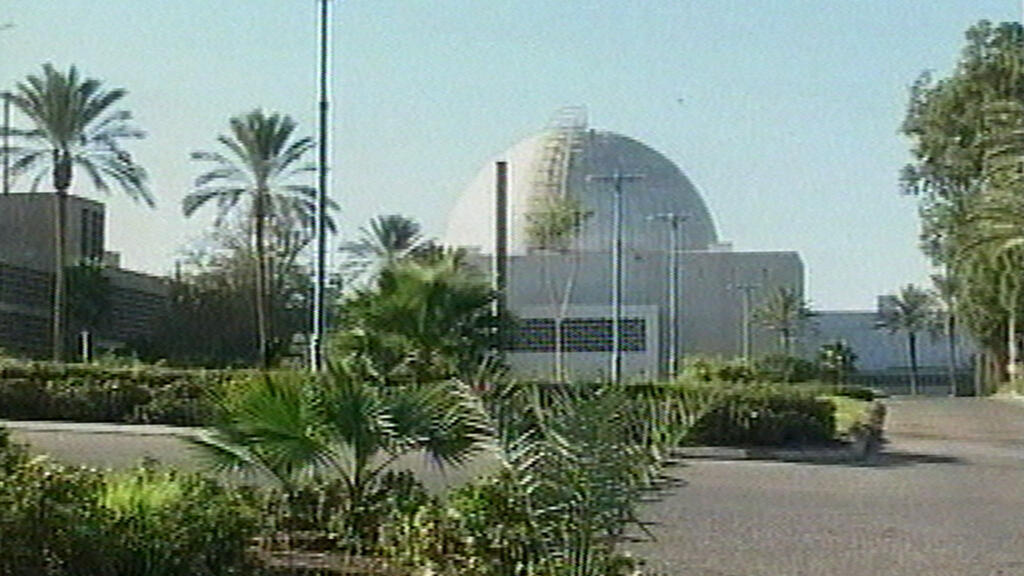
Iran Strikes Israeli Nuclear Research Center in Dimona
March 21, 2026 – Southern Israel
In a dramatic escalation of regional tensions, the Armed Forces of the Islamic Republic of Iran launched a wave of ballistic missiles against multiple Israeli cities on Saturday, March 21. One of the missiles struck Dimona, home to the Negev Nuclear Research Center, causing at least 47 injuries, including two in serious condition, according to Israeli health services.
Second Strike Hits Arad
A second missile impact was recorded shortly after the first, in the town of Arad, approximately 30 kilometers from Dimona. Emergency services reported at least 75 injured, with 10 in critical condition, and rescue operations continue as authorities search for citizens potentially trapped under rubble.
“This is a very difficult night in the campaign for our future,” said Prime Minister Benjamin Netanyahu, responding to the attacks.
“We are determined to continue attacking our enemies on all fronts.”
Retaliation and the Context of Conflict
The Iranian strikes are considered a counteroffensive following Israeli and U.S. air raids targeting Iranian nuclear facilities, particularly the Natanz atomic complex, during the so-called 12-day war of June 2025. Both Israel and the United States have prioritized the Iranian nuclear program in ongoing operations, asserting that Tehran seeks to develop nuclear weapons.
The Negev Nuclear Research Center
The Negev Nuclear Research Center, located in Dimona’s desert jurisdiction, is Israel’s primary nuclear facility. The complex spans roughly 36 square kilometers, with 10 buildings secured by electrified fences, checkpoints, and anti-aircraft missile batteries.
“The site stores spent atomic fuel in specialized storage centers and has been heavily guarded for decades,” experts say.
Built in the late 1950s as a research facility, the center is widely believed to have been the location where Israel developed its first nuclear devices, according to declassified CIA documents.
Whistleblowers and Leaks
Some of the public knowledge about Dimona comes from Mordechai Vanunu, a former technician who in 1986 leaked photographs of plutonium components and a thermonuclear bomb model to the Sunday Times. Vanunu was later captured by the Mossad, imprisoned until 2004, and his family has long denounced mistreatment by Israeli authorities.
“Those who threaten to annihilate us expose themselves to a similar danger,” said Benjamin Netanyahu in 2018 at an event inside the Negev complex.
“In any case, they will not achieve their objective.”
Israel’s Nuclear Program
Israel has never formally confirmed its possession of nuclear weapons. Nonetheless, the Stockholm International Peace Research Institute listed Israel as a nuclear weapons state in June 2025, estimating over 80 nuclear warheads.
The country remains outside international nuclear disarmament frameworks, such as the Treaty on the Prohibition of Nuclear Weapons, though it signed (but never ratified) the Comprehensive Nuclear Test Ban Treaty in 1996. No United Nations or International Atomic Energy Agency mission has officially visited the Dimona site.
Conclusion: The Iranian missile strikes mark one of the most serious attacks on Israel’s nuclear infrastructure in decades, escalating tensions in a region already fraught with longstanding conflict. Emergency operations continue in Dimona and Arad, while both countries brace for possible retaliatory actions in the days ahead.
Editor’s Insight:
This report highlights significant developments in the international landscape that could reshape diplomatic relations in the coming weeks.
This is part of a broader trend that has been reshaping the geopolitical landscape in recent months.
Follow our coverage for real-time updates on this and other major global stories.
Source: This article was originally published in another language by France 24 – Noticias y actualidad internacional en vivo and has been translated and adapted for our global English-speaking audience. Read the original article here.