JUST IN: The Israeli eviction order from Beirut forces 700,000 people in Lebanon to move | International
New information reveals that the following story has emerged from the international scene.
Unprecedented Israeli measure forces 700,000 Lebanese residents to flee their homes as tensions rise along the Lebanese-Israeli border
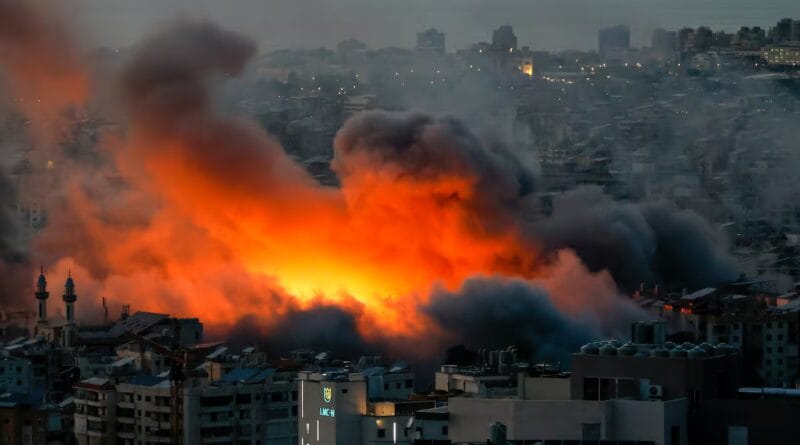
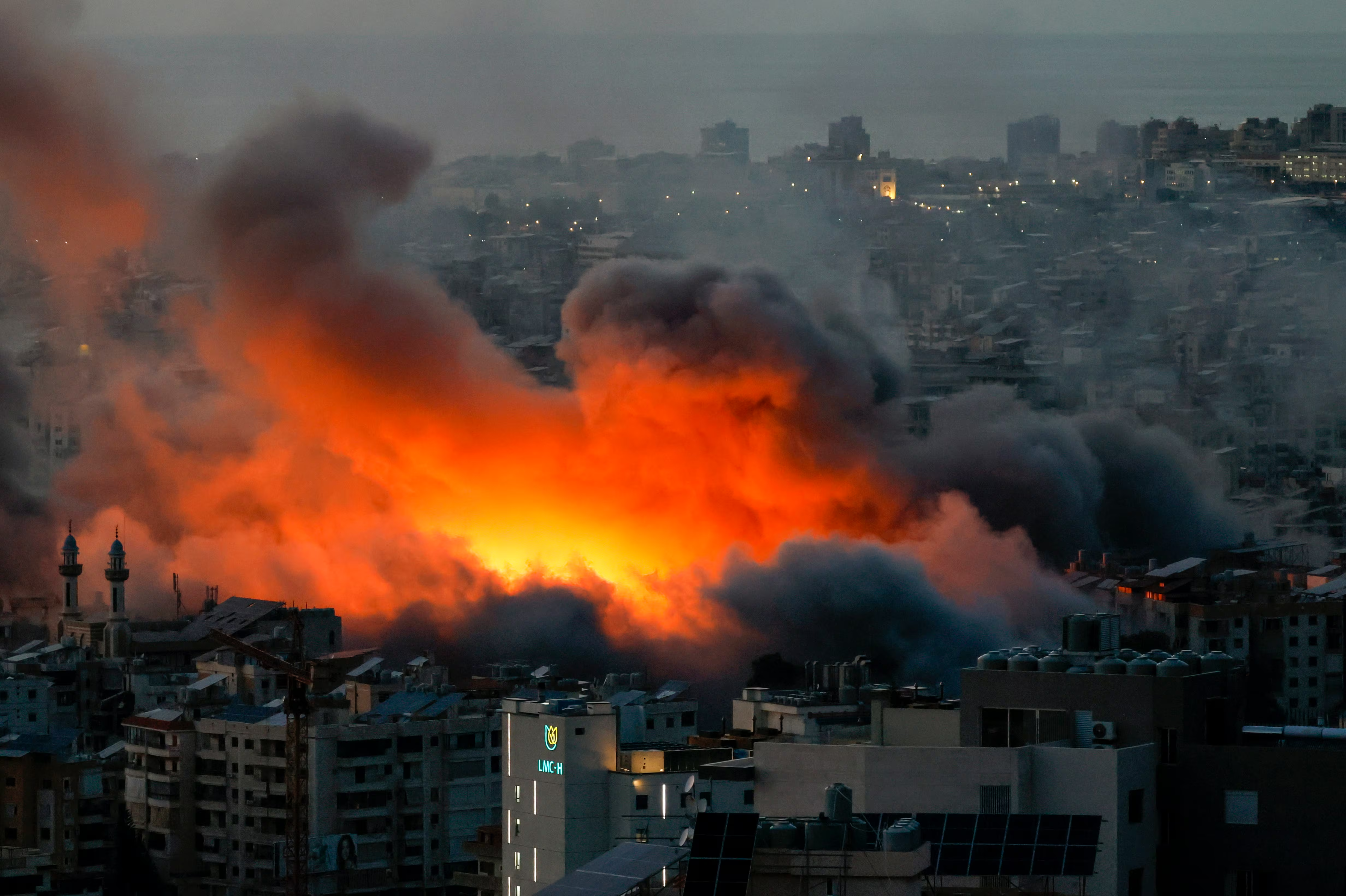
In a dramatic escalation of its military operations in Lebanon, Israel’s military issued an urgent order on Thursday, demanding that residents of Beirut’s southern suburbs evacuate immediately. The unprecedented measure, aimed at civilians in the heavily populated area of Dahiyeh, has triggered widespread panic and uncertainty as the Israeli army intensifies its offensive against Hezbollah.
An Unsettling Evacuation Order
The Israeli military spokesperson, Avichay Adraee, called for the immediate evacuation of the Beirut suburbs, warning the 700,000 residents to leave “to save their lives.” The order affects half of the population of the Beirut metropolitan area, many of whom have little to no control over Hezbollah’s military actions. This move mirrors previous tactics seen in past conflicts but carries ominous echoes of Israel’s strategy in Gaza.
The announcement comes after years of military operations in Lebanon, particularly in areas controlled by Hezbollah, an Iran-backed Shiite militia. The Israeli military has repeatedly targeted the southern suburbs of Beirut, bombing these areas in past conflicts, notably in 2006 and during the 2024 offensive. Bezalel Smotrich, Israel’s Finance Minister, even invoked Gaza’s recent devastation, suggesting that Dahiyeh would “look like Khan Yunis,” referencing a heavily bombed Palestinian municipality in Gaza.
“This has been a systematic campaign to erase all forms of life,” said Mona Harb, a professor at the American University of Beirut and co-director of the Beirut Urban Lab. “The bombings have targeted areas near schools and medical centers, creating an environment where even basic safety has become unattainable.”
Beirut’s Suburbs Under Siege
Dahiyeh, a collection of municipalities in the southern suburbs of Beirut, is home to a predominantly Shiite population, many of whom were displaced from southern Lebanon after the 2006 war. The area is also a hub for marginalized communities, including Syrian, Kurdish, and African migrants seeking affordable housing. Now, many residents of the region find themselves once again displaced, with no clear direction or destination.
In an unsettling scene, residents scrambled to flee their homes, with reports of elderly people being evacuated by van and people fleeing on foot in the cold, looking for refuge in overcrowded shelters. “People just left, driving wherever they could,” said Layla, a 29-year-old bookseller, in a text message. “Many are heading to shelters, though most are already full.”
Kaffa, a 42-year-old Syrian Kurdish mother, is one of many refugees now forced to spend cold winter nights in the streets of central Beirut. She, along with her sister, two young children, and nephews, have nowhere to go. “We sleep with our arms linked together,” she said, her voice full of worry. “I’m scared they’ll be taken from me.”
The Human Cost of Israel’s Offensive
As the evacuation order looms over Dahiyeh, the human cost of Israel’s ongoing military campaign in Lebanon becomes ever more apparent. The Lebanese Ministry of Health reported 217 deaths and 800 injuries in the past five days, while more than 100,000 people have been displaced. The UN refugee agency also recorded an increase in the number of Syrians returning to their war-torn country, with 50,000 seeking to leave Lebanon.
Since Monday, Israel has extended its military operations to other parts of Lebanon, including the southern Litani River area, home to a quarter of a million people. The Israeli military, which had already prepared for an assault on Lebanese territory in advance of Hezbollah’s actions, has repeatedly targeted civilian areas, with a high rate of bombings affecting medical centers, schools, and residential buildings.
While Israel has justified the bombings as strikes against Hezbollah’s military infrastructure, local observers argue that the attack has been indiscriminate. “The military targets in Dahiyeh were unclear,” said Harb, referring to the attacks that struck civilian infrastructure. “There’s no clear distinction between military and civilian zones.”
Since the 2023 Hamas attack on Israeli soil, Hezbollah, in a show of solidarity with Gaza, has opened a new front against Israel from southern Lebanon. Despite a ceasefire agreement signed in 2024, the region remains volatile, with Israeli forces continuing their occupation of several southern Lebanese enclaves. The situation is increasingly dire as the conflict continues to spread.
“We know what Israel is capable of,” Harb warned. “After Gaza, what’s stopping them from doing the same here, in Lebanon, with total impunity?”
In the face of mounting pressure, Israel is now moving toward establishing a security zone in southern Lebanon, with reports of ground fighting between Israeli soldiers and Lebanese fighters. The fate of the thousands of displaced people in Beirut’s suburbs remains uncertain, as both the Israeli military and Hezbollah continue to escalate their conflict. The future of Lebanon, already weakened by years of political instability, now hangs in the balance.
The Bigger Picture:
This report highlights significant developments in the international landscape that could reshape diplomatic relations in the coming weeks.
As the situation continues to evolve, analysts are closely watching for further developments.
We encourage our readers to follow this developing story for the latest information.
Source: This article was originally published in another language by Internacional en EL PAÍS and has been translated and adapted for our global English-speaking audience. Read the original article here.