Yemen siege crisis: Alarming hospital collapse in 2026
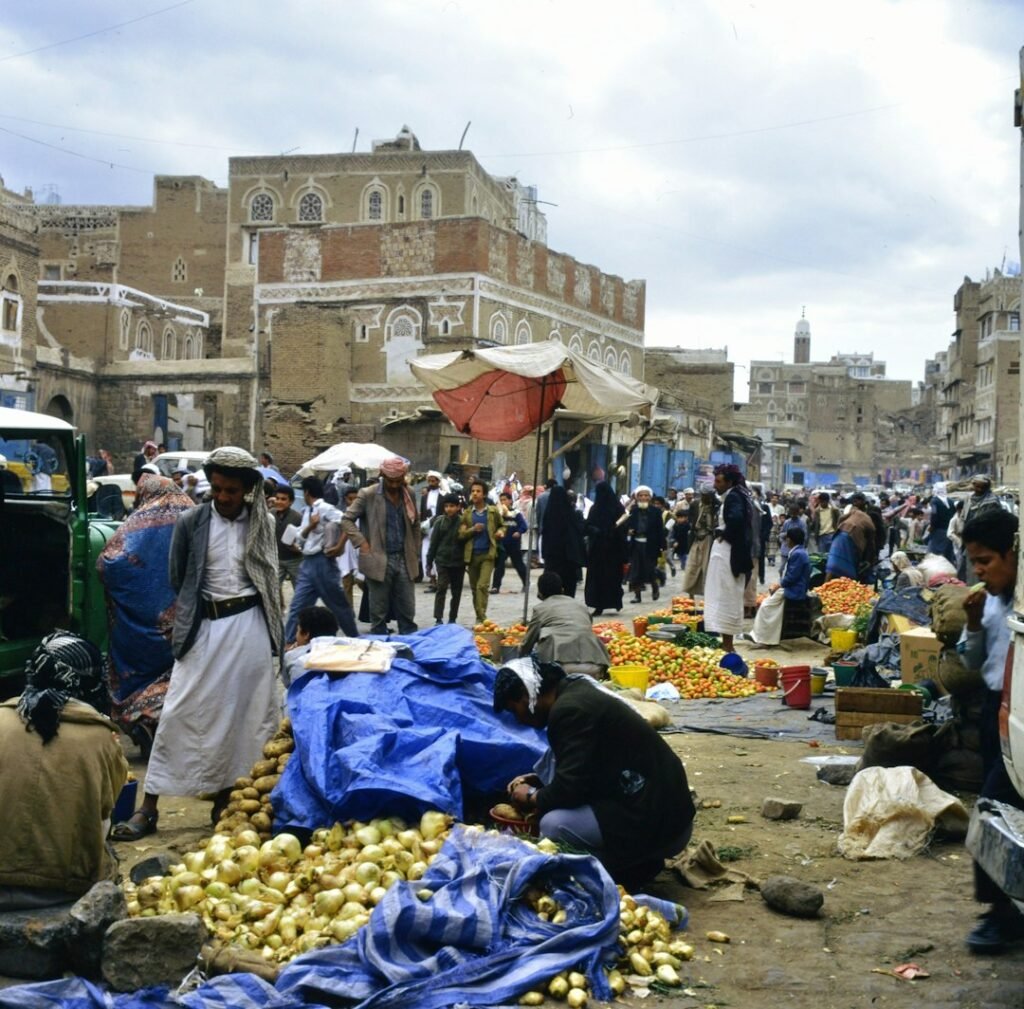
The Yemen siege crisis is a critical development that is causing significant Tension across humanitarian circles and international policy centers as the southwestern city of Taiz faces a complete breakdown of fundamental public infrastructure. Encircled by Houthi forces, the densely populated urban center has reached a precarious tipping point where essential medical services, municipal sanitation, and basic drinking water supplies are failing simultaneously. Local officials and international relief agencies warn that without immediate intervention, the ongoing blockade will convert a long-standing stalemate into an irreversible human catastrophe.
For years, Taiz has stood as one of the primary flashpoints of the Yemeni conflict, but the situation in early 2026 has deteriorated to unprecedented levels. Blocked overland supply arteries have strangled the flow of medical logistics, industrial fuel, and clean water tankers, leaving nearly two million residents trapped under severe economic and physical constriction. The compounding pressures of reduced foreign humanitarian aid funding and restricted access routes have accelerated the degradation of civic services, bringing the municipality to the brink of systemic administrative and biological ruin.
Analyzing the Yemen siege crisis impact
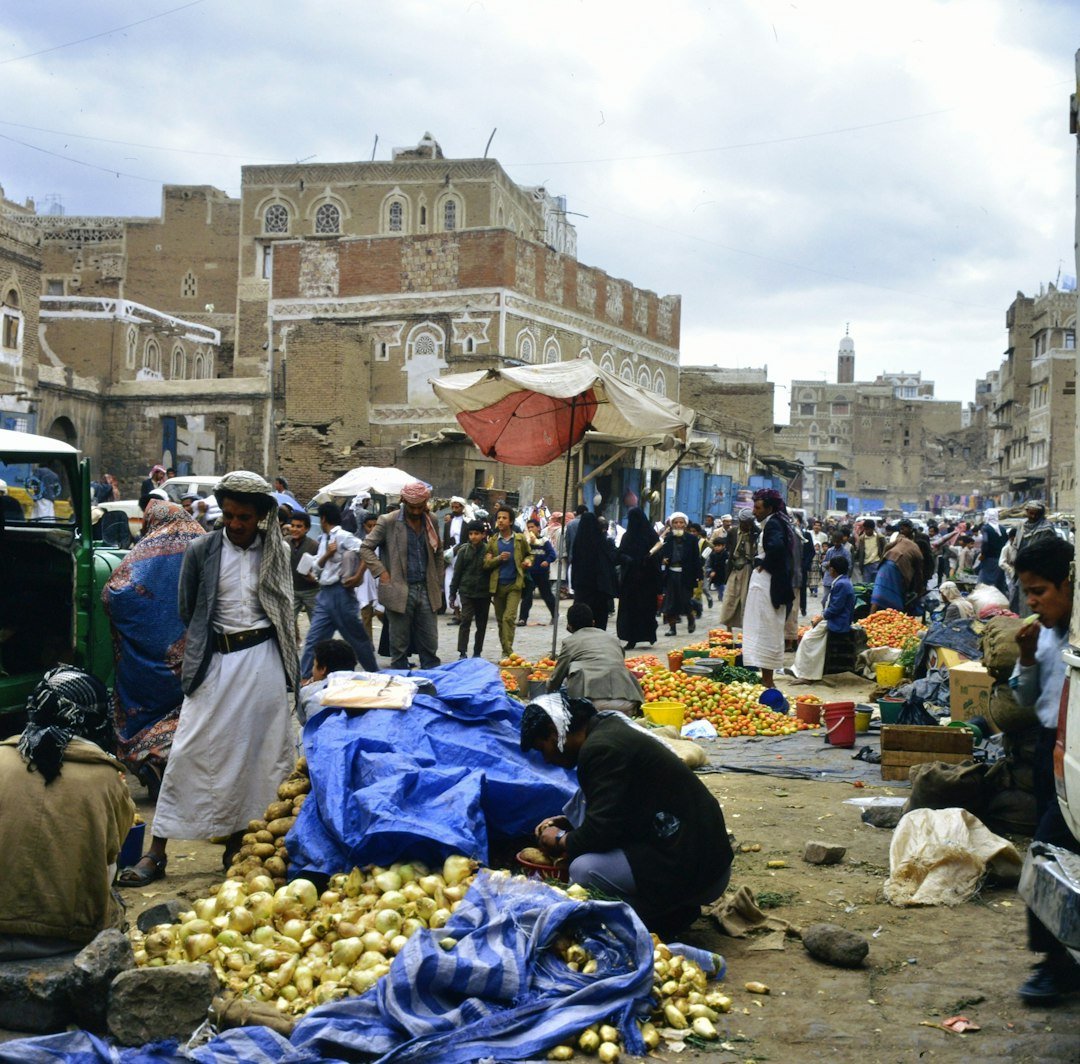
To fully grasp the magnitude of the present emergency, one must examine how the escalation of the Yemen siege crisis has pushed the local healthcare system to the verge of total shutdown. Major medical institutions operating within Taiz, including Al-Thawra General Hospital, have issued desperate appeals for emergency fuel deliveries. Modern medical facilities rely heavily on diesel generators to power intensive care units, neonatal incubators, surgical suites, and oxygen production plants. Without electricity, these lifesaving wards cannot function for more than a few days, placing hundreds of critical-care patients in immediate peril.
Healthcare workers on the ground describe an environment of severe deprivation where basic consumables—ranging from sterile intravenous fluids and surgical gloves to essential antibiotics—are virtually exhausted. According to assessments by the WHO, the sustained blockade on medical imports severely exacerbates mortality rates among patients suffering from chronic illnesses, kidney failure requiring dialysis, and acute trauma injuries resulting from sporadic border shelling. The inability to move critical care equipment past military checkpoints has effectively transformed hospitals into static centers of palliative care rather than places of treatment.
Understanding the broader structural dimensions of the Yemen siege crisis requires looking at how land routes shape urban survival. Before the escalation of military blockades, Taiz maintained active commercial corridors connecting it to Aden and the Red Sea coast. Today, those primary transit highways remain severed or heavily mined, forcing commercial truckers and aid convoys to navigate treacherous, unpaved mountain passes. These detour routes significantly increase transit times and transport costs, driving the prices of food, clean water, and cooking gas far beyond the reach of average families who have been deprived of regular public sector wages for years.
The compounding impact on basic sanitation and public health is equally dire. With municipal garbage collection trucks grounded due to acute fuel shortages, uncollected waste has accumulated in massive heaps across residential neighborhoods. Civil defense authorities report that water rationing has reached extreme levels, forcing citizens to rely on untreated ground wells or commercial water trucks whose sources are often unmonitored. This dangerous combination of accumulated refuse and contaminated water supplies has sparked grave concerns among public health officials, who fear widespread outbreaks of waterborne diseases such as cholera and acute watery diarrhea.
The current humanitarian emergency in Yemen does not occur in a geopolitical vacuum. Regional security experts note that persistent instability across the Arabian Peninsula often intersects with broader proxy dynamics. For detailed context on wider regional friction points, analysis of Iranian Threats: Alarming 2026 Middle East Crisis underscores how proxy maneuvers consistently destabilize peripheral supply routes and civilian logistics. When regional actors prioritize territorial leverage over humanitarian access, civilian populations inevitably absorb the collateral damage.
Simultaneously, international diplomatic attention remains divided among multiple competing global conflicts and internal security challenges. From civil unrest documented in reports like the France Protests: Alarming Security Crisis 2026 to environmental disasters such as the Eagle’s Nest: Alarming Fire Crisis 2026, international headlines are increasingly overcrowded. Consequently, complex long-term blockades like the one in Taiz frequently struggle to maintain the sustained international focus required to enforce humanitarian corridors or negotiate permanent ceasefires.
Despite persistent calls from the United Nations Security Council for the unblocking of roads surrounding Taiz, diplomatic negotiations have repeatedly stalled. Military analysts interviewed by Reuters suggest that Houthi forces view control over the strategic elevated passes surrounding Taiz as essential leverage in broader high-stakes negotiations over port revenues, airport access, and national governance frameworks. Consequently, human rights advocates accuse all warring parties of using the basic survival needs of civilian populations as bargaining chips in military and economic strategy.
As conditions inside Taiz continue to deteriorate, humanitarian workers warn that time is running out to prevent a catastrophic mortality event driven by medical collapse and preventable disease. Emergency aid corridors must be established immediately to deliver fuel, clean water, and medical kits directly to urban centers. If international stakeholders fail to exert sufficient pressure to lift the stranglehold on Taiz, the fallout will not only claim thousands of innocent lives but will also signal a devastating failure of international humanitarian law in the face of protracted urban siege warfare.
Source: This article was originally reported by Google News World Top and independently adapted and contextualized for our international English-speaking audience. Read the original report here.
Pingback: Wales Rugby Triumph: A Historic 2026 Win in Japan
Pingback: Vanessa Trump: Historic Recovery News 2026