Ukrainian president expresses concern about American focus on the Middle East, discusses new defense systems and tensions with Hungary.
In a candid interview with a group of journalists in Kyiv, Ukrainian President Volodymyr Zelensky took stock of the ongoing war with Russia, the shifting international landscape, and the challenges facing his country. Addressing a range of pressing issues, Zelensky voiced concern over the potential erosion of American support due to the crisis in the Middle East, outlined new military developments, and lashed out at European pressure over the controversial Druzhba oil pipeline.
Continued U.S. Support Remains Crucial for Ukraine
Zelensky emphasized the importance of maintaining American backing in the face of growing international complexities, particularly the escalation of tensions in the Middle East. Ukraine, he said, is committed to assisting the United States and its allies with expertise in drone warfare, offering to share its knowledge to bolster defense efforts in the region. “We are demonstrating our willingness to help the United States and its allies in the Middle East,” Zelensky declared, expressing hope that the U.S. would not shift its focus away from the war in Ukraine.
Ukraine has relied heavily on American support, both in terms of military aid and political backing, as it continues to fend off Russia’s aggression. Zelensky’s comments suggest a growing concern that the Middle East crisis could divert Western attention away from the ongoing conflict in Ukraine.
New Defense System from France: A Strategic Shift
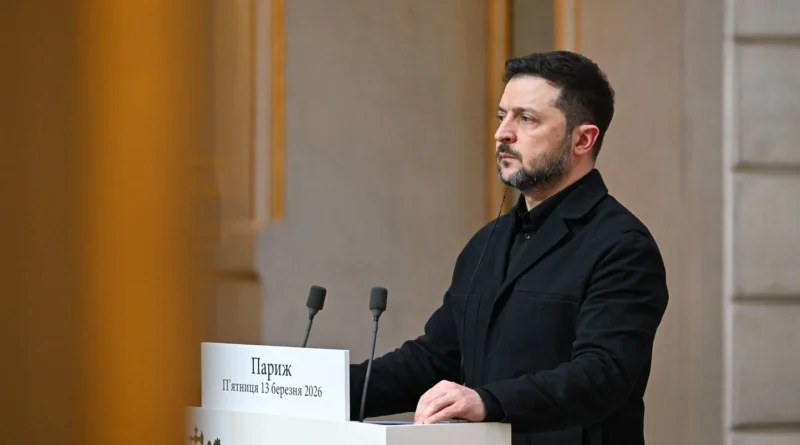
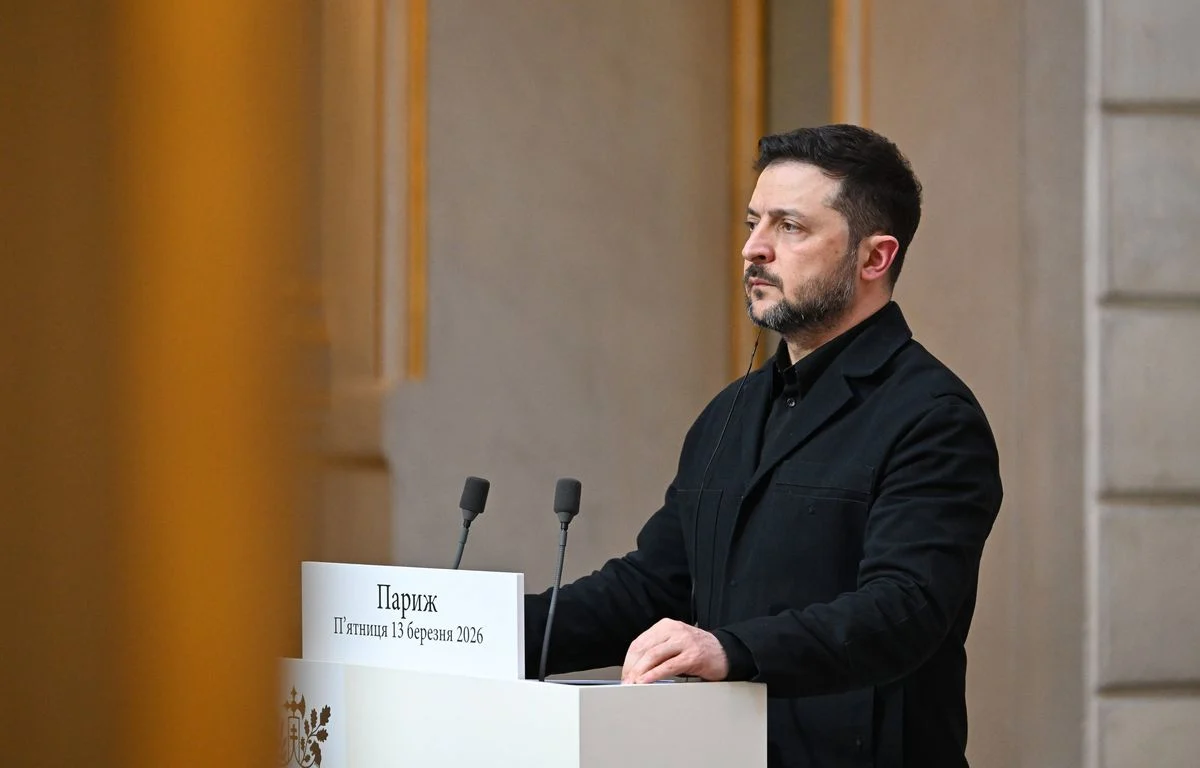
In an effort to strengthen Ukraine’s defenses, Zelensky also announced the acquisition of a new air defense system from France. The SAMP/T system, set to arrive later this year, will be tested against Russian ballistic missiles and is expected to serve as an alternative to the American Patriot system. This development follows discussions with French President Emmanuel Macron in Paris. “This is the most important subject of the discussions we had in Paris,” Zelensky confirmed, stressing the significance of diversifying Ukraine’s defense capabilities amid ongoing hostilities with Russia.
“This is the most important subject of the discussions we had in Paris,” said Zelensky, referring to the SAMP/T defense system.
‘Blackmail’ Over Druzhba Pipeline
Zelensky also took aim at his European allies, accusing them of “blackmail” regarding the restoration of the Druzhba oil pipeline, which transports Russian oil through Ukraine. The pipeline, central to a dispute between Ukraine and Hungary, has become a point of contention, with Kyiv under pressure to repair it as part of broader European negotiations. Zelensky revealed that European officials had linked the restoration of the pipeline to a European loan of $90 billion, which is vital for Ukraine, particularly for purchasing weapons.
“They are forcing me to restore Druzhba,” Zelensky said, referring to the European demand. “This is called blackmail,” he added, expressing frustration over the situation. The loan, which Hungary has blocked, is crucial for Ukraine’s ongoing defense efforts against Russian aggression.
Despite the pressure, Zelensky stated that Ukraine is open to cooperating with any Hungarian leader who does not align with Russian President Vladimir Putin. With Hungary’s upcoming legislative elections, Zelensky’s comments underscore the deepening political divide between Ukraine and the current Hungarian government, led by Viktor Orbán.
Zelensky accused Orbán’s administration of fostering anti-Ukrainian sentiment and claimed that Russian communications advisers were helping Orbán’s campaign in the lead-up to the elections. “They are spreading anti-Ukrainian sentiment,” he said, highlighting the political challenges posed by Hungary’s stance on the war.
As the war in Ukraine continues and global tensions rise, Zelensky’s remarks reflect the increasingly complex web of geopolitical and economic pressures that Ukraine must navigate, both domestically and internationally. With mounting external challenges, the Ukrainian president’s focus remains on securing the necessary support to sustain his country’s defense efforts and mitigate the pressure from both European and regional adversaries.