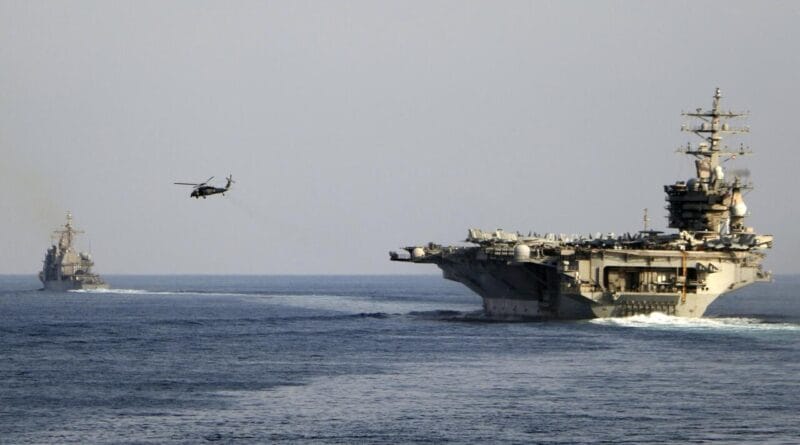
WORLD NEWS: Iran’s mining of the Strait of Hormuz a nightmare for navies and commercial traffic
New information reveals that the following story has emerged from the international scene.
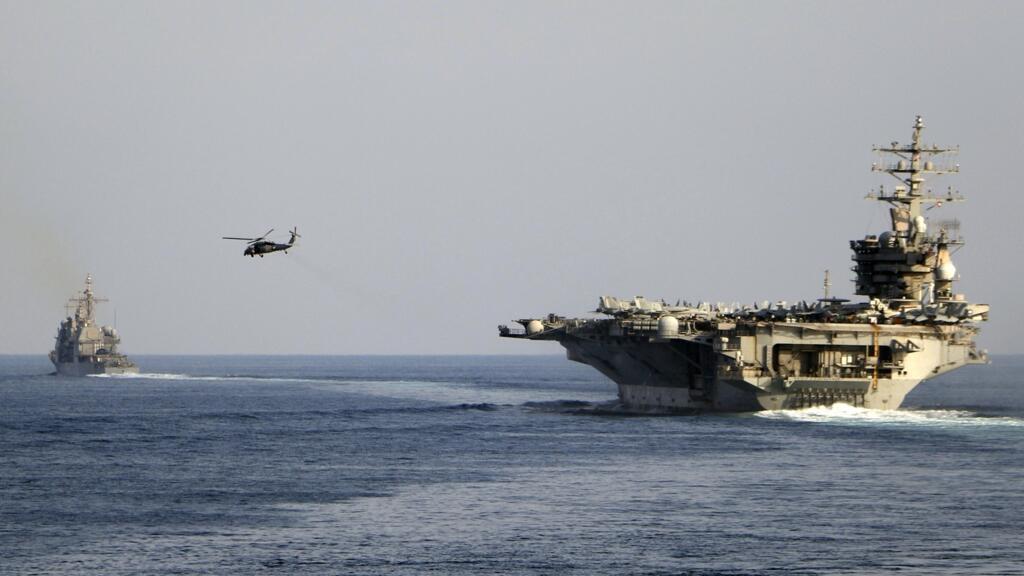
As drone and missile strikes disrupt shipping, Iran’s mine warfare poses a growing threat to global oil and gas exports.
Since the beginning of the US-Israel-led military strikes in late February, Iran has shifted its tactics in a high-stakes bid to cripple global oil exports. The Strait of Hormuz, a critical chokepoint through which a fifth of the world’s oil passes, has become a battlefield, with Iranian missile and drone strikes now accompanied by a rapidly escalating threat of mine warfare.
A Paralysed Strait
Iran’s decision to target the Strait of Hormuz is part of a broader strategy to inflict maximum economic damage on its adversaries. According to the British shipping agency UKMTO, seventeen vessels have already been attacked in the Gulf, and traffic through this vital waterway has been all but paralyzed. The Iranian military’s use of mines, a tactic reminiscent of its earlier confrontations with Iraq during the 1980s “tanker war,” threatens to further complicate the export of oil and liquefied natural gas (LNG).
“The mine is a poor man’s weapon. It is within the reach of any terrorist group and it poses an essential threat to maritime trade and freedom of action of naval forces.” – Former French naval officer
The global consequences of such a blockade are stark. Shipping routes through the Strait of Hormuz could be closed indefinitely if Iranian forces deploy their full range of naval mines, creating lasting disruptions to global oil supply.
Iran’s Mine Arsenal and Growing Capabilities
Iran is believed to possess a staggering arsenal of mines—estimated at between 5,000 and 6,000—many of which are difficult to intercept. These mines, which float at the water’s surface, can drift with the current, making them nearly impossible to neutralize once deployed. Elie Tenenbaum, a researcher at the French Institute of International Relations (IFRI), explained that the mines Iran could use are both inexpensive and simple, making them a significant threat in such a confined waterway.
Additionally, Iran has a variety of other mine types, including bottom mines, which are designed to explode based on a ship’s acoustic, magnetic, or pressure signatures, and suction mines, which are placed by small, fast boats against the hulls of larger vessels. These tactics allow Iran to maintain a level of plausible deniability while still wreaking havoc on shipping lanes.
Western Challenges in Countering the Threat
While Western navies are certainly capable of neutralizing these mines, the operation to clear them would be both long and difficult. The United States, for instance, has downgraded its mine-countermeasure capabilities by retiring several of its Bahrain-based Avenger minehunters, replacing them with littoral combat ships that are not specifically designed for mine clearance. This shift has raised concerns about the vulnerability of the American navy in the region, especially as the war intensifies.
“The US Navy is dismantling its already limited mine countermeasures capabilities without deploying proven replacements.” – American Center for Maritime Strategy
The European response is equally strained. While French and British forces had dedicated minehunters in the Gulf for years, their numbers have dwindled significantly, and they now possess only a fraction of the resources needed to adequately face the growing mine threat. Meanwhile, other European nations, such as the Netherlands and Belgium, are still in the process of upgrading their mine-clearance capabilities, with some relying on drones to identify and neutralize mines from a safe distance.
Despite their limited resources, Gulf states are also contributing to the effort, but their focus remains on clearance divers, who must first locate the mines before they can be destroyed. According to experts, this lack of efficient mine detection and removal poses a critical vulnerability in countering the current threat.
As tensions in the region continue to mount, the Iranian strategy of mine warfare is likely to have profound implications not only for the Middle East but for global energy markets and maritime security in the years to come.
The Bigger Picture:
Experts suggest this event marks a turning point that may influence policy decisions worldwide.
This is part of a broader trend that has been reshaping the geopolitical landscape in recent months.
Follow our coverage for real-time updates on this and other major global stories.
Source: This article was originally published in another language by France 24 – Infos, news & actualités – L’information internationale en direct and has been translated and adapted for our global English-speaking audience. Read the original article here.