UPDATE: they increase by 3.3% a year and the cause is unclear
In a major development, the following story has emerged from the international scene.
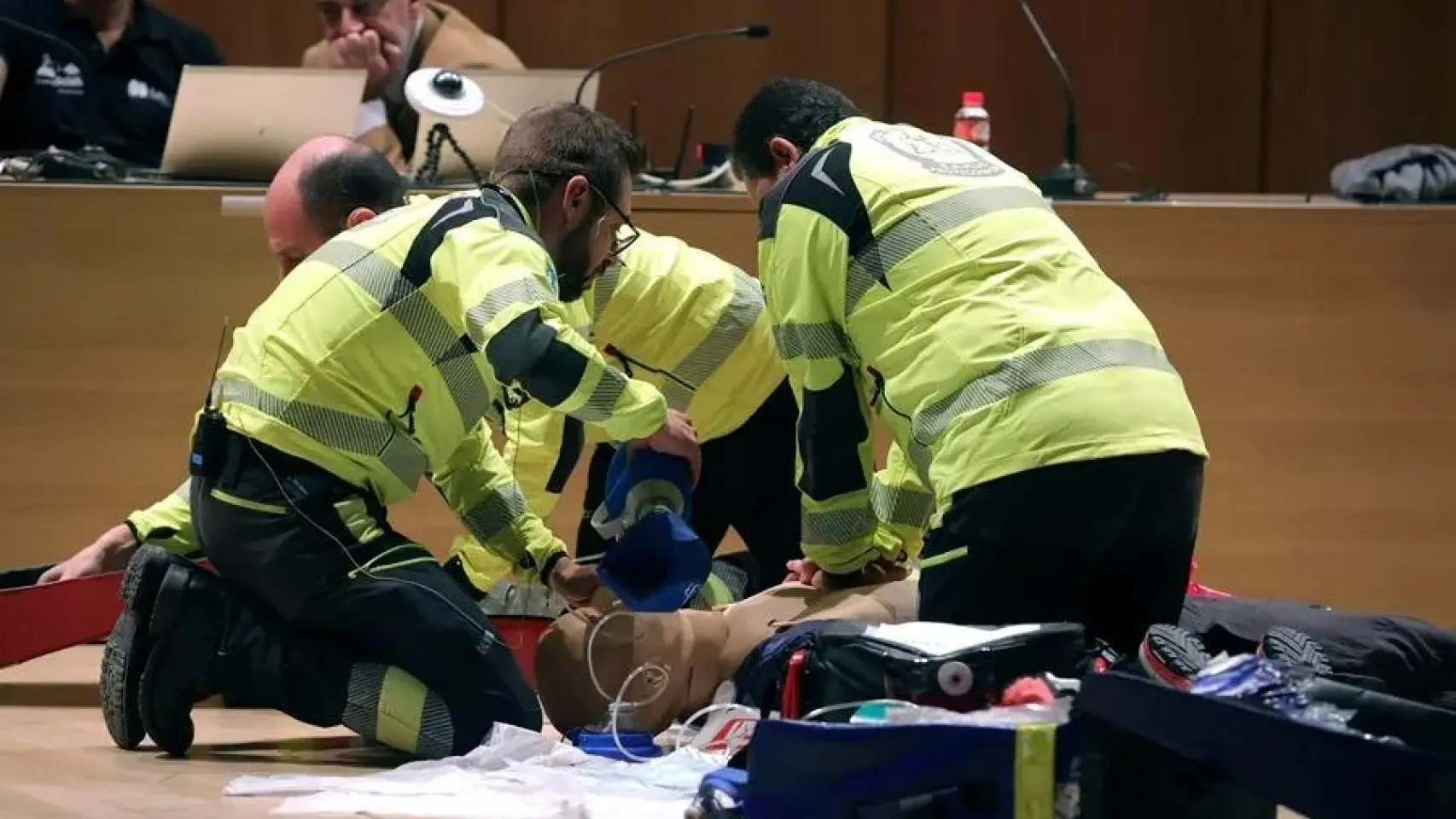
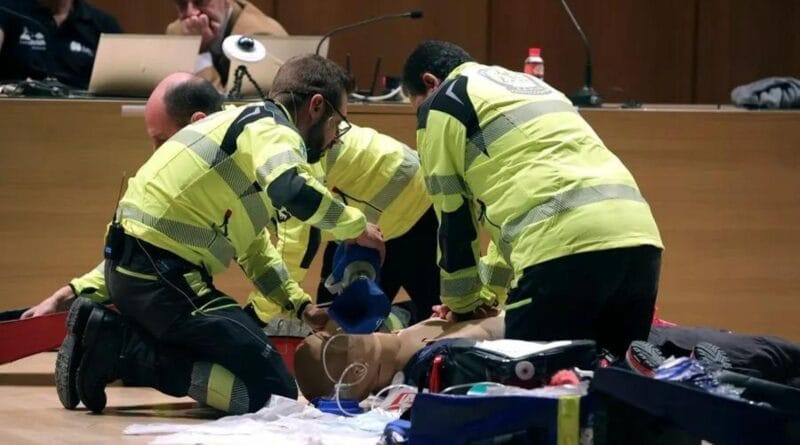
Sudden death is capable of taking life like a bolt of lightning, completely unexpectedly. The people who experience it seemed to be in perfect condition until that moment and, therefore, it produces uncertainty. What is behind one of these deaths? The Spanish Heart Foundation (FEC) says that in the vast majority of cases it is ventricular fibrillations, a type of cardiac arrhythmia, which is hidden behind these deaths. “It causes the heart to lose its ability to contract in an organized manner, which is why it stops beating. The victim of sudden death first loses his pulse and, in a few seconds, he also loses consciousness and the ability to breathe,” explains the FEC. There is a possibility of survival, but attention must be immediate. “Ventricular fibrillation is very rare in healthy hearts. In people over 35 years of age, the most common cause is acute myocardial infarction,” continues the organization. Unfortunately, a recent study published in The Lancet Regional Health has warned that sudden deaths are on the rise in Europe and, especially, in Spain. And at the moment there is no explanation for the phenomenon.Increasingly frequentThe authors of the study looked at the data on sudden deaths in the decade between 2010 and 2020. Across Europe, there were 2.6 million sudden deaths and an annual increase of 2.6%.The researchers point out that the increase was more pronounced among women, although it is still men who die most frequently in this way. And also that Spain is where this death increases the most. Every year there is an average increase of 3.3% in sudden deaths in Spain. The study focused on purely statistical data and, therefore, nothing more than hypotheses have been presented as to why these deaths have skyrocketed. To carry out this work, the authors analyzed data from the World Health Organization (WHO) from 26 European countries and 53 million deaths. In the opinion of Juan Jiménez Jáimez, this is a study that “guarantees consistency and international comparability.” Jiménez is head of the Arrhythmias and Hereditary Cardiopathies section at the Virgen de las Nieves University Hospital in Granada and also a permanent professor at the University of Granada. “This elegant study is based on the analysis of a very high population cohort,” he explains to Science Media Center (SMC). “Its design allows us to robustly describe the temporal evolution of mortality due to sudden death.” This expert points out that the study highlights the need to develop health strategies and policies throughout the world to better prevent and treat these cases that have been increasing in recent times. But what could have put us in this situation? “In the case of Spain, the observed increase probably responds to a multifactorial interaction,” says Jiménez. These factors are the aging of the population, bad habits and lack of education. “Population aging clearly stands out, since it is the country with the highest life expectancy in Europe and the world, which implies a greater proportion of the population at high-risk ages,” explains the expert. Yes, getting older, especially when there are many, is what is most associated with cases of sudden death. This is because with age the risk of atherosclerotic cardiovascular disease also increases. “Added to this is a change in lifestyles, especially in women, with a greater sedentary lifestyle and an increase in cardiovascular risk factors—obesity, diabetes, hypertension…—, which may contribute to the most pronounced increase in this subgroup.”And finally, the expert points out that resuscitation and knowing how to use the defibrillators that are installed in public places continues to be a pending issue in Spain. Knowledge that can be decisive in saving a life. But be careful! Although the study data are undoubtedly relevant, Jiménez points out that it is possible that the results are explained due to another characteristic. “Spain could be relatively overrepresented in terms of sudden death,” he says. This could be “due to a strong development in the identification and certification of these cases in our country, the result of the growing integration between forensic medicine, primary care, emergency services, intensive care and cardiology in the study of sudden death,” he points out. Although, without a doubt, this is a positive advance from a clinical and scientific point of view, “it could introduce a methodological artifact, by improving detection and classification of these events compared to other countries with lower diagnostic precision, thus conditioning part of the observed increase.”Come on, in Spain we have begun to measure these cases with greater precision and this can mean that, even having a similar number to other countries, we miss fewer sudden deaths than in neighboring nations.
Analysis and Perspective:
This development could have far-reaching consequences for global politics in the months ahead.
The implications of this story extend beyond borders and could affect millions of people globally.
What are your thoughts on this development? Share your views in the comments below.
Source: This article was originally published in another language by El Español – Home and has been translated and adapted for our global English-speaking audience. Read the original article here.