
JUST IN: Civil guards criticize the Government for excluding them from the risk profession and only recognizing the National Police
In breaking news, the following story has emerged from the international scene.
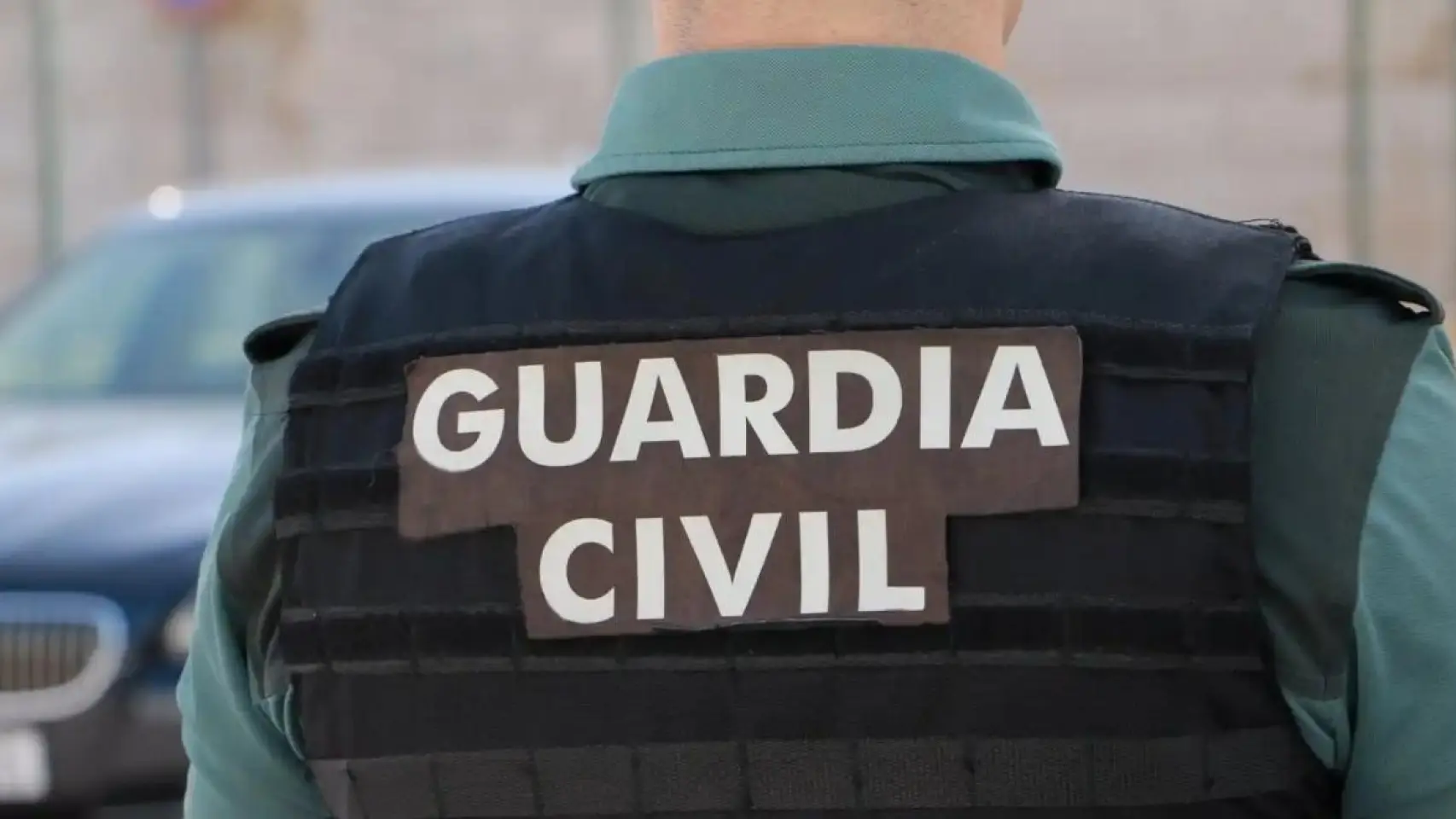
Civil Guard Associations Protest Government’s Exclusion from Risk Profession Recognition
Frustration Mounts as The Civil Guard and National Police Demand Equal Treatment
Madrid — Tensions between the government and Spain’s security forces have escalated following the Civil Guard’s decision to walk out of a plenary session in protest. The protest stems from the exclusion of the Civil Guard from being recognized as a “risk profession” — a designation recently granted to the National Police. Civil Guard associations are accusing the Spanish government of unfairly justifying their exclusion based on the force’s military nature. These associations are now demanding equal recognition, particularly when it comes to retirement conditions and compensation.
Civil Guard Associations Walk Out of Council Session in Protest
The walkout from the Council plenary session was a bold move by the seven representative associations of the Civil Guard. In a joint statement, they expressed their dissatisfaction with the draft Royal Decree, which proposes to establish a reduced retirement age for National Police officers under the general Social Security system. This recognition would grant them privileges not extended to the Civil Guard.
“We cannot tolerate the fact that a draft Royal Decree is being processed that recognizes the risk profession only for national police officers,” the associations stated. They pointed out that the government’s justification for this exclusion appears to be solely based on the military nature of the Civil Guard, despite their long-standing demands for equal recognition in terms of risk profession status.
The associations further emphasized their discontent, adding that their demands for recognition as a high-risk profession have been met with persistent neglect. In response, the Civil Guard associations vowed not to participate in upcoming working groups, commissions, or plenary sessions until they are invited to a dialogue by the Secretary of State for Security or Interior Minister Fernando Grande-Marlaska. Their goal is to establish equal retirement conditions for all police forces.
Protest in Madrid: National Police and Civil Guards Unite for Equal Rights
On March 14, a large demonstration took place in Puerta del Sol, Madrid, where over 1,500 officers from both the National Police and the Civil Guard gathered in unity. The protest, organized by the JuntosPolGC association, focused on demands for salary equality and “dignified retirements” for both groups. The protest was promoted as “apolitical and non-union,” but it attracted support from figures like Luis ‘Alvise’ Pérez, the leader of Se Acabó la Fiesta, and former Vox leader Macarena Olona.
Alfredo Perdiguero, spokesperson for JuntosPolGC, emphasized the frustration felt by both the National Police and Civil Guard, accusing the government of ignoring their needs. According to Perdiguero, both groups receive “less than regional and local police” despite facing “equal or greater risks” in their line of duty. He also highlighted the alarming number of attacks on officers — “16,000 colleagues were attacked throughout Spain last year” — without what they consider adequate legal tools to protect themselves.
“Both forces demand full recognition as a risky profession, just like other police units,” Perdiguero declared, calling out the government for failing to provide adequate protection or respect for the authority of these security forces.
Calls for Authority and Fair Retirement Conditions
The demonstration’s calls extended beyond financial compensation, with Iván Martínez, secretary of JuntosPolGC, demanding that both the National Police and Civil Guard regain their “principle of authority.” Martínez argued that the inability of officers to command respect in the streets hinders their ability to perform their duties properly.
In addition to salary concerns, many veterans of both the National Police and Civil Guard suffer from what the protesters call “undignified retirements”. Officers are demanding that their retirement packages be adjusted to reflect the sacrifice and dedication required by their high-risk professions.
Government Under Fire for Lack of Support
During the protest, demonstrators did not shy away from making their frustrations known. The calls for Interior Minister Fernando Grande-Marlaska’s resignation echoed through the crowd, with many blaming him for the lack of progress on these key issues. Despite these protests, the government has yet to respond to the growing discontent from Spain’s security forces.
Looking Ahead: A Push for Equality in the Police Forces
The exclusion of the Civil Guard from the “risk profession” category raises serious concerns about fairness in how Spain treats its law enforcement agencies. As tensions continue to rise, it’s clear that the struggle for equality, both in pay and retirement conditions, is far from over.
The walkout by the Civil Guard associations and the mass protest in Madrid have sent a strong message to the Spanish government. The demands are clear: equal pay, equal recognition, and fair treatment for all of Spain’s police forces. Whether the government will respond remains to be seen, but the pressure is mounting for a resolution that addresses the needs of the men and women who serve in these essential roles.
Related Keywords: Civil Guard, National Police, JuntosPolGC, Fernando Grande-Marlaska, retirement conditions, risk profession, salary equality, Spanish police protests, Puerta del Sol protest, dignified retirement.
The Bigger Picture:
This report highlights significant developments in the international landscape that could reshape diplomatic relations in the coming weeks.
As the situation continues to evolve, analysts are closely watching for further developments.
Follow our coverage for real-time updates on this and other major global stories.
Source: This article was originally published in another language by El Español – Home and has been translated and adapted for our global English-speaking audience. Read the original article here.