JUST IN: Amazement, hope and respect for the fragility of the Earth: the experience of the Artemis II astronauts
In a major development, the following story has emerged from the international scene.
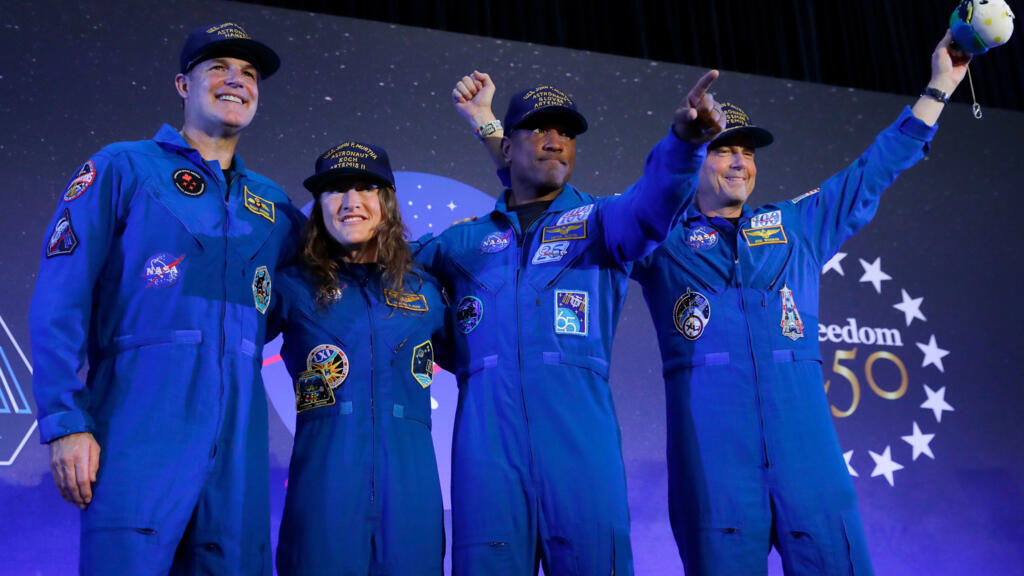
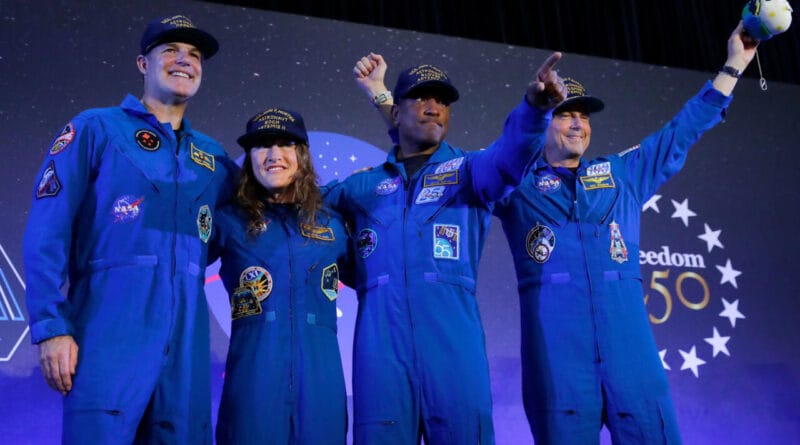
After a “perfect” return and a journey that has taken them from the California coast to Houston, the four astronaut crew members of the historic Artemis II mission have been received with cheers and joy at the Johnson Space Center and the NASA Mission Control Center, after flying from San Diego, where they landed near the coast the previous night. Reid Wiseman, Victor Glover, Christina Koch and Jeremy Hansen have had time to reunite with their spouses, children and members of their extended families. There was also space for brief breaks, before a press conference in which they were able to tell and inspire those present about their experiences aboard the most ambitious mission, which has broken records by exploring greater depths of space than previous lunar expeditions of past decades. All four have spoken of their experience as a deeply emotional and bonding one. In their unprecedented flyby, the astronauts reached a maximum distance of 252,756 miles (406,771 kilometers) from Earth before turning around behind the Moon, surpassing the distance record of the Apollo 13 program. But they were also able to observe a total solar eclipse, which added a touch of cosmic amazement to the experience. The crew of the Artemis II mission, from left: Jeremy Hansen, Christina Koch, Reid Wiseman and Victor Glover, hug each other as they speak during a crew welcome event Saturday, April 11, 2026, at Ellington Field in Houston. © Michael Wyke, AP Commander Reid Wiseman called it the most special event of his life, expressing gratitude to his companions and the entire team behind the mission: “We are united forever. No one down here will ever know what the four of us have been through. And it has been the most special thing that will ever happen in my life,” said Wiseman, addressing the other three crew members and remembering that “24 hours ago, the Earth was this big in the window.” “Being more than 200,000 miles from home, before launch, feels like the biggest dream on Earth, and when you’re out there you just want to be back with your family and friends. It’s special to be human, and it’s special to be on planet Earth. Thank you,” said Wiseman, who revealed that the most emotional moment was when the crew named a lunar crater after his late wife, Carroll. Read alsoArtemis II: The successful closing of a 10-day lunar feat For Victor Glover, the first black man to direct a spacecraft around the Moon, the mission is too vast to process in full at once. “I haven’t assimilated what we just did and I’m afraid to even start trying,” he said before an auditorium full of space center workers and other guests. Before the lunar trip Glover had spent almost five and a half months in orbit, beginning in 2020 as pilot of NASA’s Crew-1 flight, the first operational mission to the International Space Station that used SpaceX’s Crew Dragon capsule. The mission also revealed a new facet of our planet, with a photograph of Earth showing our blue planet hiding behind the gray, cratered Moon. The image was reminiscent of the famous Earth sunrise photograph from 1968, taken by the world’s first lunar visitors, Apollo 8. Read also”A perfect mission”: Artemis II capsule successfully returned to Earth Christina Koch described the Earth as a “lifeboat floating undisturbed in the universe”, which sparked the desire to see humanity acting as a single crew. “Honestly, what struck me was not just the Earth, but all the darkness that surrounded it. The Earth was like a lifeboat floating undisturbed in the universe,” Koch said, before staring into space, and concluded: “Planet Earth, you are a crew.” In this photo provided by NASA, from left to right, NASA astronauts Reid Wiseman, commander; Christina Koch, mission specialist; CSA (Canadian Space Agency) astronaut Jeremy Hansen, mission specialist; and NASA astronaut Victor Glover, pilot of Artemis II, right, pose for a group photo after viewing the Orion spacecraft on the afterdeck deck of the USS John P. Murtha, Saturday, April 11, 2026, in the Pacific Ocean off the coast of California. © Bill Ingalls, AP Canadian Hansen, who had the last shift, pointed to the “human experience” as part of the mission, the crew’s commitment to living with “joy” and their “love” to “contribute” to the work, and then he gathered close to his colleagues and gave a final message to the public. Hansen stressed the importance of the team maintaining a positive, “joy train” mentality to navigate the intense mission, even in the most difficult moments. With Reuters, AP, EFE and local media.
What This Means:
Understanding these events is crucial for anyone following international affairs closely.
The implications of this story extend beyond borders and could affect millions of people globally.
Follow our coverage for real-time updates on this and other major global stories.
Source: This article was originally published in another language by France 24 – Noticias y actualidad internacional en vivo and has been translated and adapted for our global English-speaking audience. Read the original article here.