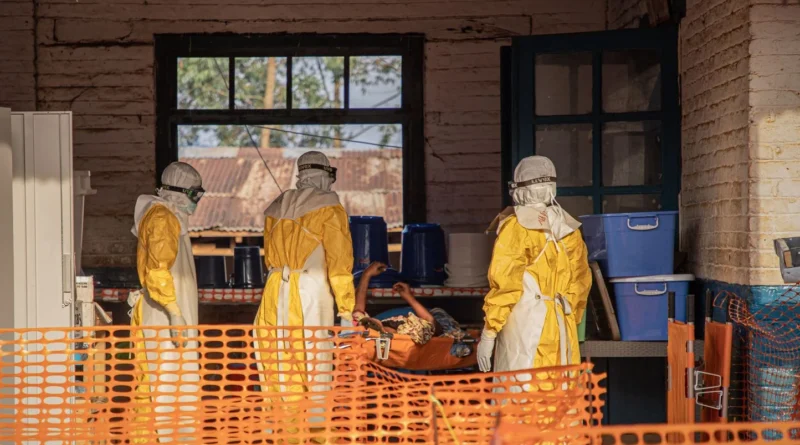
BREAKING: The epidemic continues to progress in the DRC which records 438 deaths
Latest Developments:
The following report highlights an important international development currently attracting worldwide attention.
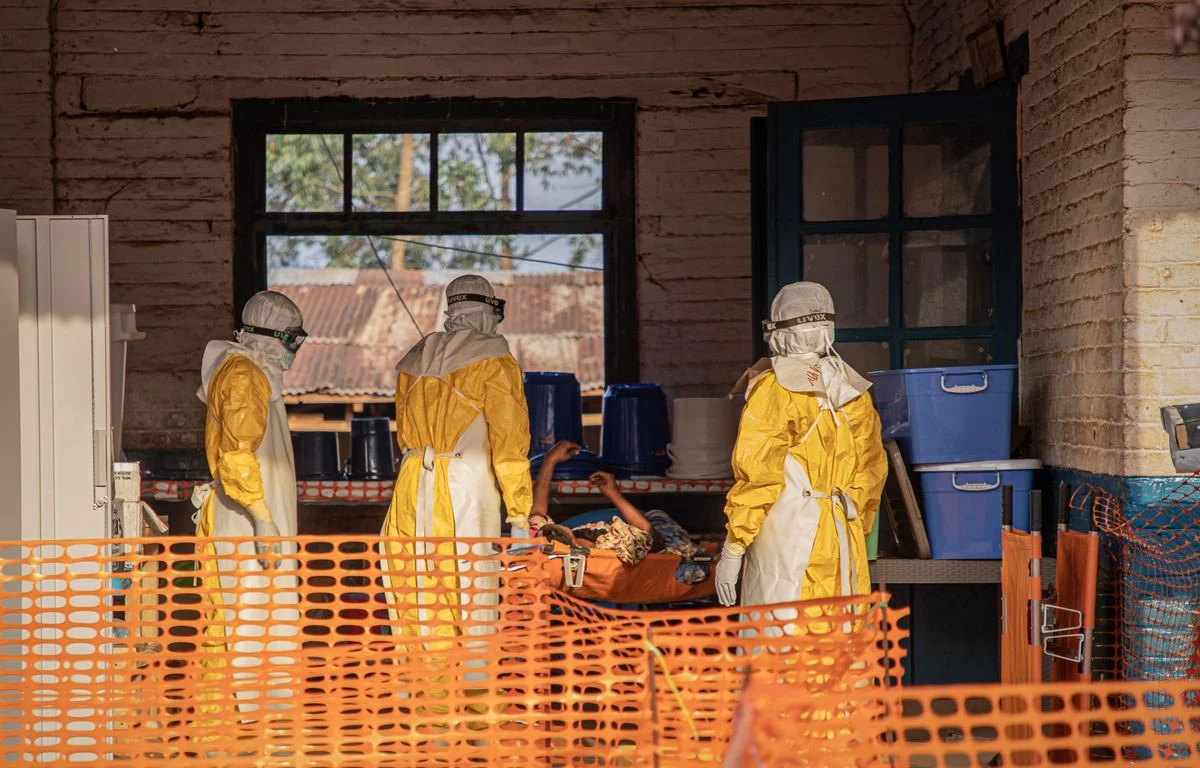
The Ebola epidemic in the Democratic Republic of Congo (DRC) continues to progress. It has left more than 400 dead according to a latest report this Thursday, and it continues to spread with a recently confirmed case in Kisangani, a large city in the northeast located nearly 600 km from the center of the crisis. In total, 438 deaths and 1,406 cases were recorded, representing a case fatality rate of 31.2%, according to the Congolese National Institute of Public Health (INSP). Ebola has killed more than 15,000 people in Africa over the past 50 years. The deadliest epidemic in the DRC caused nearly 2,300 deaths for 3,500 recorded patients, between 2018 and 2020. The 17th epidemic officially declared in the country on May 15 is caused by the Bundibugyo virus for which there is no vaccine or treatment. The World Health Organization (WHO) has issued an international alert. Clinical tests are in preparation. The focus of the crisis, the real extent of which is still difficult to assess, is located in the province of Ituri (91.2% of cases and 83.6% of deaths), bordering South Sudan and Uganda, where 20 cases including two deaths were recorded. “On the run” In Kisangani, a city of 1.5 million inhabitants and capital of the province of Tshopo, a test recently conducted on the remains of a 24-year-old woman years old and 6 months pregnant tested positive, according to the INSP. “The body of the deceased was transported clandestinely by motorbike to Kisangani” from the Nia Nia health zone in Ituri, bordering Tshopo and located approximately 350 km away, health authorities explained. The remains of an Ebola victim are extremely contagious and in many cases the disease is transmitted during funeral rites. Another death and a case of transmission were also reported earlier this week in the province of Haut-Uélé, neighboring Ituri. The infected person is described by health authorities as being “on the run” from the Nia Nia health zone. Despite three cases reported in two additional provinces of the country, Congolese health authorities persist in declaring that only three provinces in total are affected by the epidemic, considering that in Tshopo and Haut-Uélé, these are “imported cases” from Ituri. Distrust of local populations At the epicenter of the epidemic, caregivers and humanitarian workers are faced with great distrust from local populations. Some residents deny the existence of the disease while others accuse international organizations of seeking profit. On Wednesday, an Ebola health center managed by local health authorities was set on fire in the Nia Nia area, local sources told AFP. Seven suspected cases, who were placed in isolation there, all fled and have not been found at this stage, said Dr. Joseph Pemanakue, chief medical officer for the area. The center also housed two bodies of people who probably died from the virus. Before their sanitary burial, “a group of young people opposed it and wanted to recover the bodies, believing that these people had not died of Ebola and considering that this disease is a ‘business'”, explained Dr Pemanakue. The police intervened with warning shots but the protesters set the scene on fire. Read the Ebola Epidemic fileSeveral incidents of this type have been reported since the start of the epidemic, slowing down a health response which has been strengthened but which has stalled for a long time.
Why This Matters:
The situation could have broader implications for regional stability, international relations, and global markets.
International media coverage is expected to intensify as more updates become available from official sources.
Follow our coverage for more global news and international analysis.
Source: This article was originally published by 20Minutes – Actu Monde and adapted for our international English-speaking audience.
Read the original article here.