ALERT: United Nations suspends its plan to evacuate sailors from Hormuz after an attack | International
International Briefing:
The following report highlights an important international development currently attracting worldwide attention.
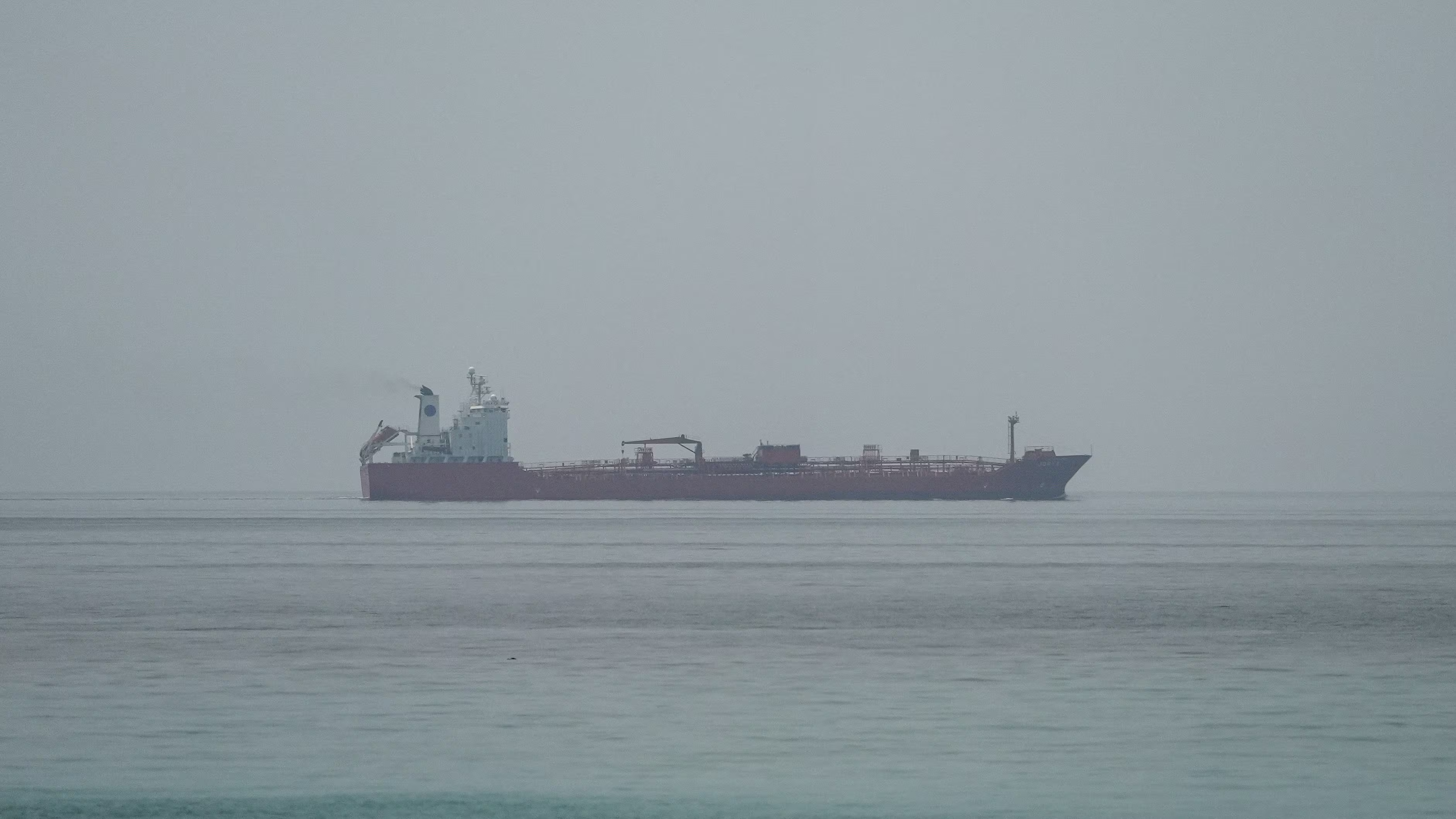
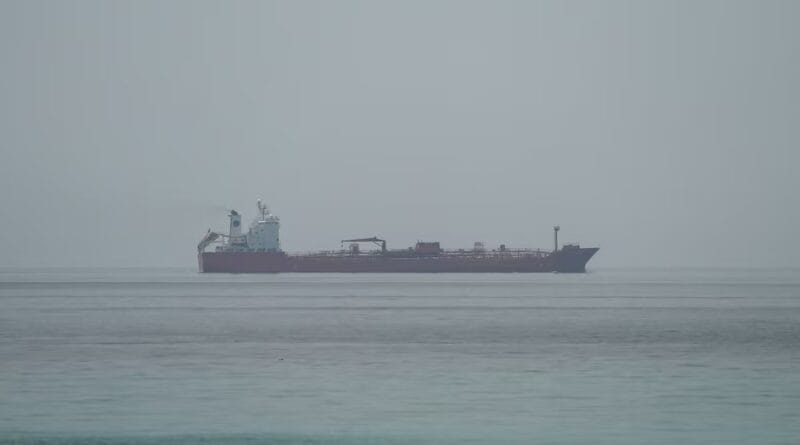
The UN International Maritime Organization (IMO) has temporarily suspended this Thursday its program to remove the dozens of ships and thousands of sailors trapped in the Strait of Hormuz after an alleged attack on a cargo ship. The ship – which was not part of the international evacuation plan – was hit by a projectile of unknown origin about 14 kilometers southeast of Oman, according to the British naval agency (UKMTO). Hours earlier, Iran had warned against using routes not approved by the Revolutionary Guard. Although neither Tehran nor Washington have yet commented on the incident, four sources consulted by the Reuters agency have identified the ship as the Singapore-flagged Ever Lovely. The possibility that it was attacked by a drone is gaining ground. The first ships that had managed to leave Hormuz under the umbrella of the United Nations did so on Wednesday. The urgency is maximum: some of these vessels have been stranded for almost four months, since the first bombings by the United States and Israel began and Iran responded by closing the most important sea route for the transfer of energy. The more than 20,000 sailors who were stranded at the height of the crisis have reported conditions that border on the inhumane. The IMO announced late this Thursday afternoon, European time, the “temporary suspension” of its plan to “reconfirm that the necessary security guarantees remain in force both for the ships included on the evacuation list and for all those in the region,” IMO Secretary General Arsenio Domínguez said in a statement. Hours earlier, the Iranian authorities had stated that safe passage through the strait would only be possible through routes designated by Tehran. And they had also warned that they would take action against ships that did not comply with that requirement. A young man was swinging last Sunday on the Iranian beach of Bandar Abbas, in the Strait of Hormuz. Amirhosein Khorgooi/ISNA/via WAN (via REUTERS) The UN initiative offered ships and their crews two ways out of the Gulf: through Iranian waters or via Oman. Always under American supervision. Its roadmap, coordinated with the coastal States and the shipping companies themselves, seeks to guarantee an orderly departure of the vessels immobilized in the area without endangering the crews or generating a maritime traffic jam in an area—as has become clear in recent months—critical for the flow of fuel and fertilizers. The priority is, according to the sectoral arm of the UN, to avoid accidents in an area affected by the presence of mines on the seabed, where there are limitations in communications and with a high concentration of ships. The incident in Omani waters caused a sudden increase in the price of oil, which at noon fell by more than 2% and which at nine at night (Spanish peninsular time) rose by almost 2.5%. The barrel of Brent, however, is trading at levels very similar to those of the weeks before Donald Trump and Benjamin Netanyahu’s war against the Islamic Republic. Largely because, according to official US data, shipments through Hormuz are increasingly approaching pre-conflict figures.
What Happens Next:
Officials and international observers are expected to continue monitoring the story closely over the coming days.
Global audiences continue following the story closely as regional responses begin to emerge.
Stay tuned for further updates on this developing international story.
Source: This article was originally published by Internacional en EL PAÍS and adapted for our international English-speaking audience.
Read the original article here.