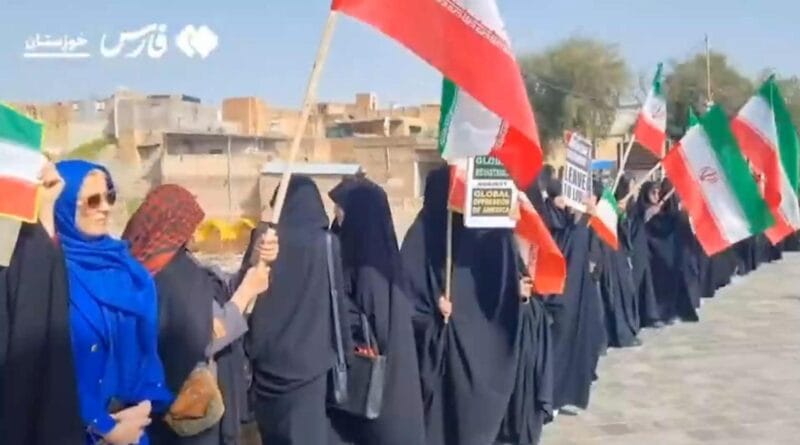
ALERT: Iran asks its citizens to chain themselves as human shields to power plants in response to Trump’s ultimatum
Sources confirm that the following story has emerged from the international scene.
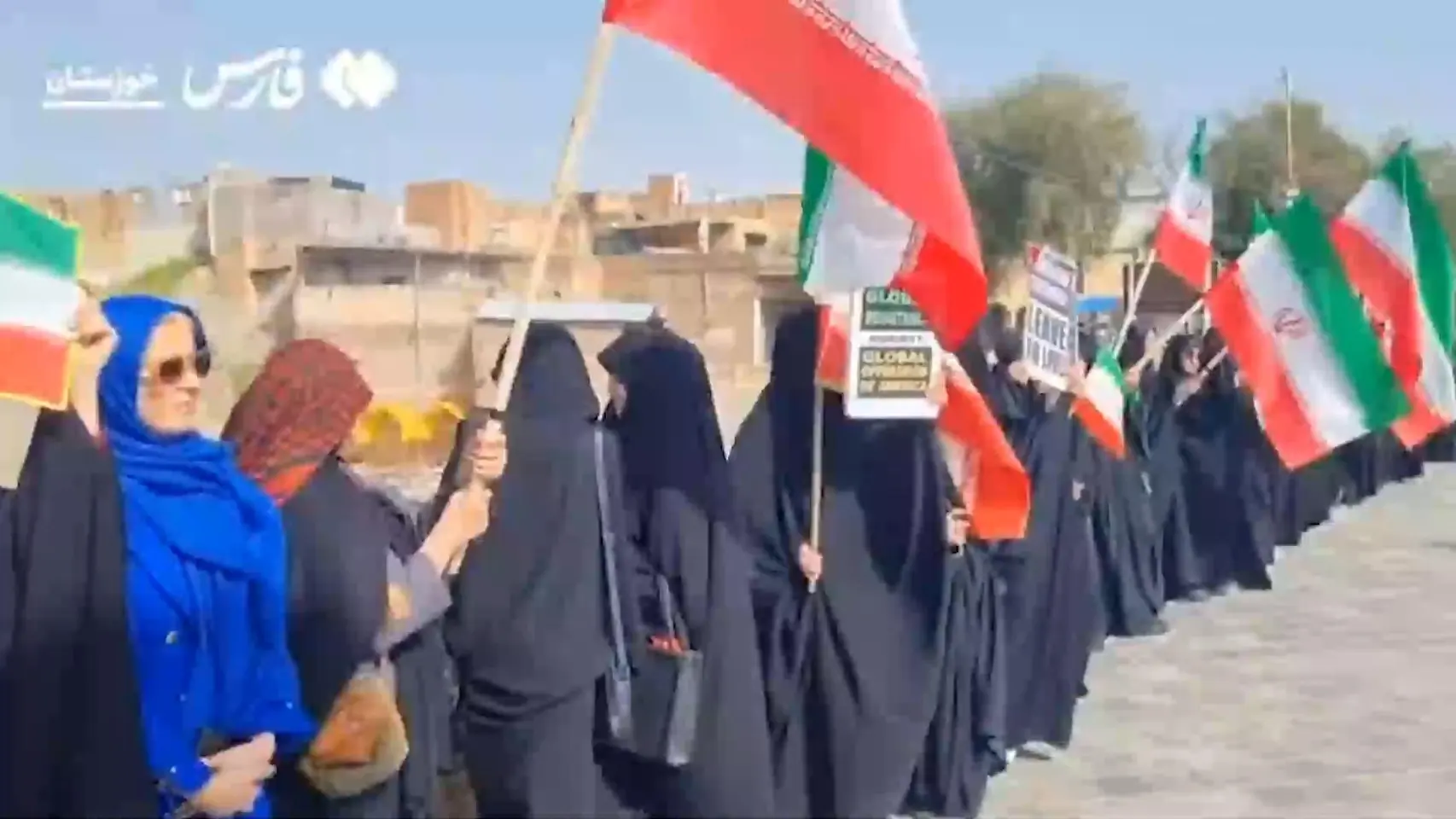
The keys new Generated with AI Thousands of Iranians formed human chains at power plants and bridges to protest against threats of attacks by Donald Trump. The Iranian government called on young people to unite as human shields to protect key infrastructure in the face of the US ultimatum on the Strait of Hormuz. The mobilizations were held in several cities, including Tehran, Kermanshah, Tabriz, Qazvín and Dezful, involving cultural figures such as musicians and singers. Trump warned that he could attack Iranian civilian infrastructure if the Strait of Hormuz is not reopened, and assured that Iran could be “annihilated in one night.” Thousands of people formed human chains this Tuesday in front of power plants and bridges in different cities of Iran to protest against the threats of attacks by Donald Trump, who has warned that he will attack these infrastructures if Tehran does not reopen the Strait of Hormuz. The US president warned again on Sunday, April 5, that he would unleash “hell” in Iran when the ultimatum he gave them to unblock Hormuz expires, and later hinted that he would extend the limit for another 24 hours, until 8:00 p.m. on Tuesday the 7th in Washington (00:00 GMT on Wednesday). That is why in Tehran hundreds of people gathered this Tuesday in front of the country’s largest power plant, Damavand, carrying Iranian flags and condemning American threats through banners. In the western city of Kermanshah, a group of protesters gathered in front of the Bisotun power plant, where they carried photographs of the late Supreme Leader Ali Khamenei and his successor and son Mojtaba Khamenei, denouncing that attacking electrical infrastructure constitutes a war crime, according to the Mehr agency. Iran is deploying civilian human shields to sites across the country, including the White Bridge in Ahvaz, the Old Bridge in Dezful, the Bistoon power plant in Khermanshah, and the Rajaee power plant in Qazvin pic.twitter.com/GKJ1q2Vr0M— Aleph א (@no_itsmyturn) April 7, 2026 Human chains also formed in front of the city’s thermoelectric plant northwest of Tabriz and the Shahid Rajaei power plant, in the northern city of Qazvín. The mobilizations were replicated in other parts of the country. In Dezful (southwest), students formed a human chain on the city’s historic bridge, more than 1,700 years old. Response to the ultimatumTrump announced this weekend that he was extending until Tuesday the ultimatum he had given to reopen the Strait of Hormuz (through which a fifth of the world’s oil circulates), a passage that Iran keeps partially closed after the start of the US and Israeli attacks on February 28. To the Once, he said he believes Iran is negotiating “in good faith” with his country and that “they would like to be able to reach an agreement” before the deadline he has given them expires. The president of the United States assured this Monday in a press conference at the White House that all of Iran “can be annihilated in one night” and that this could happen “tomorrow night.” Only one day later, this Tuesday, the president insisted on his position through Truth Social: “Tonight an entire civilization will die, never to return. I don’t want that to happen, but it probably will. (…) 47 years of extortion, corruption and death will come to an end. God bless to the great people of Iran!”. That is why the Iranian Government has called on young people to form human chains around power plants and bridges throughout Iran. These actions are part of a government campaign to “stage a symbol of unity and resistance against the enemy,” according to the Deputy Minister of Youth Affairs of the Ministry of Sports, Alireza Rahimi, said this morning. Rahimi indicated that “the youth of Iran, with any ideology or preference, will unite to tell the world that attacking public infrastructure is a war crime.” Figures of Iranian culture, including the Iranian musician Ali Gamsari and the singer Benyamin Bahadori, began yesterday to settle in the vicinity of power plants and bridges in the face of Trump’s threats to “unleash hell” if Tehran does not reopen Hormuz. The Iranian musician Ali Gamsari settled yesterday near the power plant of Damavand, the largest in the country, “with the aim of preventing attacks against Iran’s infrastructure.” Also, the singer Benyamin Bahadori spent the night on the Tabiat bridge in Tehran, and announced that he will do so tonight, given that Trump also threatened to destroy bridges.
Editor’s Insight:
This report highlights significant developments in the international landscape that could reshape diplomatic relations in the coming weeks.
The implications of this story extend beyond borders and could affect millions of people globally.
Follow our coverage for real-time updates on this and other major global stories.
Source: This article was originally published in another language by El Español – Home and has been translated and adapted for our global English-speaking audience. Read the original article here.