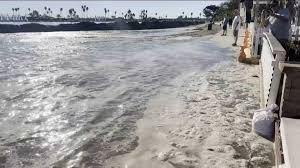
Coastal flood warning: Historic 2026 tides hit
The coastal flood warning is a critical development that is causing significant alarming challenges across Southern California, as an unprecedented convergence of extreme high tides and localized storm surges inundates low-lying coastal zones. Early measurements along San Diego County’s coastline recorded water levels reaching near-record heights, driving powerful ocean waves over seawalls, flooding boardwalks, and forcing emergency crews to erect temporary sand barriers near vulnerable beachfront communities.
Local authorities issued urgent advisories as peak tide cycles coincided with strong onshore winds, amplifying the ocean’s reach into residential neighborhoods, parking structures, and commercial districts along La Jolla, Mission Beach, and Ocean Beach. Emergency management personnel have remained on high alert, monitoring tide gauges while advising drivers to avoid flooded coastal arterial routes. The event highlights growing vulnerabilities along developed shorelines, where high astronomical tides—often referred to as King Tides—intersect with increasingly volatile sea levels.
Analyzing the coastal flood warning impact
Municipal emergency services elevated the active coastal flood warning early this morning after tidal predictions indicated ocean water would breach standard defense thresholds. Coastal hydrologists emphasize that while high tide cycles are predictable astronomical occurrences, their combination with localized atmospheric low-pressure systems dramatically compounds ocean energy. As a result, beachfront roads experienced severe overwash, leaving debris scattered across thoroughfares and threatening electrical utility infrastructure.
The decision to issue a widespread coastal flood warning stems from a convergence of atmospheric forces that are becoming more frequent. National oceanographic researchers, monitored closely by international media outlets like Associated Press, noted that sea surface temperatures and regional atmospheric currents played a decisive role in inflating wave heights beyond seasonal norms. In areas like Imperial Beach, seawater breached drainage networks, leading to backflow conditions that submersed municipal streets under several inches of saltwater.
Infrastructure Vulnerabilities and Socio-Economic Risk
Coastal infrastructure throughout Southern California faces an escalating stress test. The coastal rail corridor, which serves as a critical transportation artery linking San Diego to major northern transit hubs, faces renewed scrutiny as shoreline erosion accelerates around fragile coastal bluffs. Transportation officials have instituted cautious speed restrictions along impacted rail segments, reflecting the heightened risk profile associated with repetitive inundation events.
Public policy debates surrounding infrastructure funding have intensified as municipal leaders evaluate the immense capital required to reinforce seawalls and upgrade storm drainage networks. These domestic funding challenges occur alongside broader fiscal discussions nationwide; while state legislatures grapple with environmental emergency allocations, public attention is often divided by high-profile economic stories, such as the massive public interest seen during the Powerball jackpot’s historic $700M payout in 2026. Nevertheless, civil engineers stress that deferred maintenance on ocean barriers will lead to exponentially higher restoration costs in the coming decade.
Global Environmental Context and Regional Emergency Preparedness
Environmental experts view the current high tide event as a localized preview of systemic oceanographic changes affecting coastal zones globally. Reporting from international outlets such as Reuters and BBC consistently underscores that urbanized coastlines worldwide are confronting identical structural challenges, requiring coordinated disaster management strategies and updated zoning mandates.
As city planners review the scope of the coastal flood warning, discussions surrounding long-term urban adaptation are gaining traction within legislative halls. Similar to how shifting political dynamics shape national legislative priorities—as demonstrated in recent analysis of Michigan Senate polls showing historic shifts in 2026—coastal municipalities are experiencing political realignments centered on climate adaptation, property insurance stability, and public safety infrastructure.
While global focus often shifts toward geopolitical crises and international security concerns, such as the updates surrounding the Jordan Syria strike causing alarming regional tension in 2026, local governments face the equally pressing task of keeping public safety networks resilient against environmental shocks. Emergency management agencies in Southern California have deployed mobile pumping units, distributed tens of thousands of sandbags to beachfront property owners, and implemented temporary closures of exposed coastal parks and public piers.
Looking Ahead: Resilience and Adaptation Strategies
Residents affected by the current coastal flood warning have been urged to secure low-lying property, move vehicles to elevated terrain, and remain cautious near rocky shorelines subject to unexpected wave run-up. Local fire departments and lifeguard units have augmented staffing levels to handle potential water rescues and safeguard tourists drawn to the dramatic surf conditions.
Understanding the broader implications of this coastal flood warning requires examining climate resilience policies through a multi-faceted lens. Coastal engineers increasingly advocate for nature-based solutions—such as living shorelines, dune restoration, and managed wetland buffers—alongside traditional concrete sea walls. These hybrid approaches aim to absorb wave energy naturally while restoring native ecosystems damaged by decades of urban encroachment.
Ultimately, this latest coastal flood warning serves as a stark reminder of coastal vulnerabilities in 2026. As high tide crests gradually recede over the coming days, local governments will transition from active emergency management to damage assessment and long-term planning, seeking to protect coastal populations and economic assets from an increasingly unpredictable ocean environment.
Source: This article was originally reported by cbs8.com (via Google Trends) and independently adapted and contextualized for our international English-speaking audience. Read the original report here.