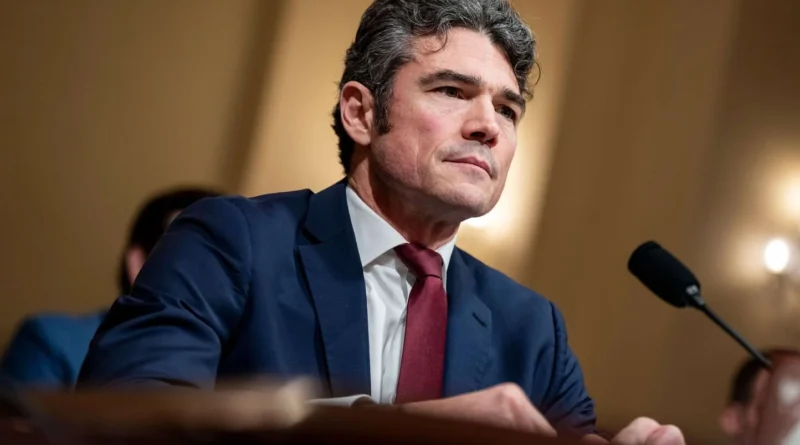
LATEST: Opposed to the conflict, a senior American counterterrorism official resigns and criticizes
According to recent reports, the following story has emerged from the international scene.
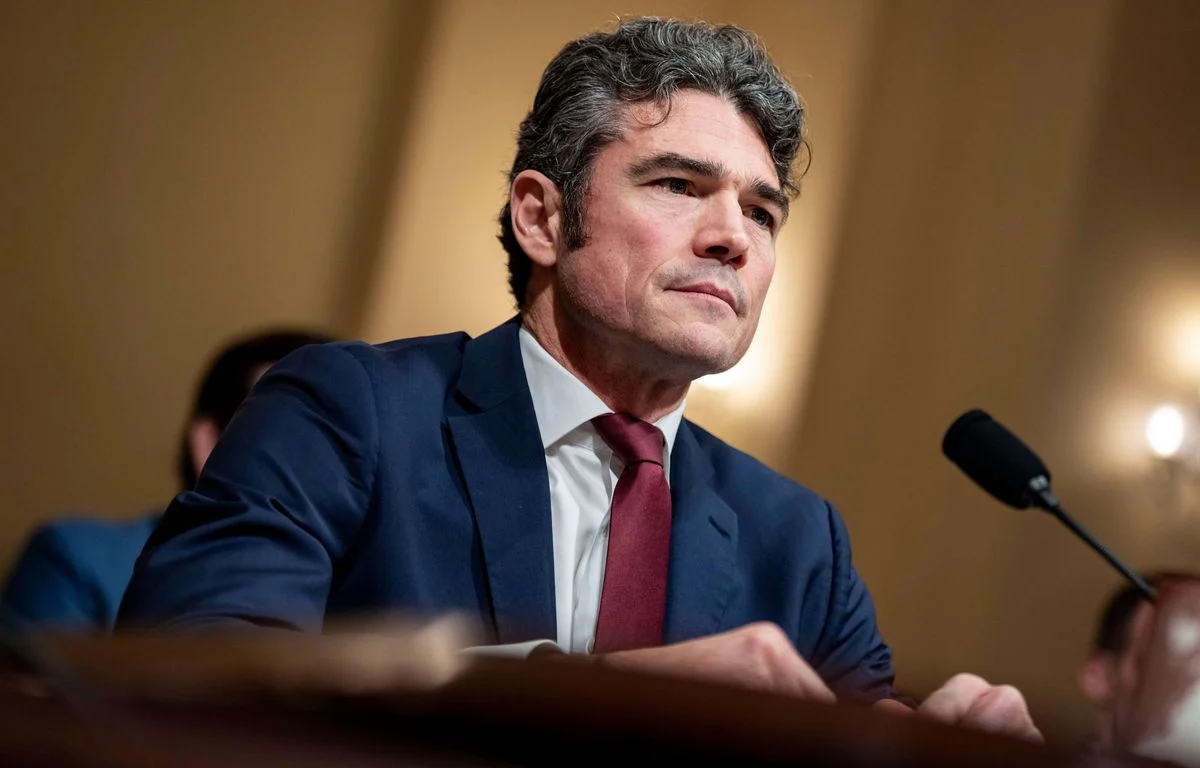
Joseph Kent’s departure from the Trump administration marks a rare public protest against the ongoing conflict with Iran.
Joseph Kent, a senior U.S. counterterrorism official, resigned on Tuesday in protest of the ongoing military conflict with Iran, declaring that the Islamic Republic posed “no imminent threat” to the United States. Kent, a former special forces soldier, was the first senior official to publicly dissent against the war, making his resignation one of the most striking acts of defiance within the Trump administration.
A Dissenting Voice
Kent, who had been serving as the director of the National Counterterrorism Center, expressed his opposition in a resignation letter that he shared widely. In it, he explained that he could not “in good conscience” support the war against Iran. Kent’s decision to step down was not just a protest against the conflict but also a sharp critique of the misinformation campaign he believes led to the war. He pointed the finger at “senior Israeli officials and influential members of the American media” for pushing a narrative that painted Iran as an immediate threat to U.S. security.
“This echo chamber was used to deceive you into believing that Iran represented an imminent threat to the United States, and that if you struck now, the path to rapid victory was clear,” Kent wrote in his letter.
Kent accused these figures of creating a climate of “warmongering” that helped lead the U.S. into a war that he described as not only unjustified but disastrous. He specifically drew parallels between the current situation and the Iraq War in 2003, suggesting that the same tactics used to sell the Iraq invasion were now being applied to justify action against Iran.
Echoes of Iraq
In his letter, Kent did not shy away from making a bold comparison to the 2003 invasion of Iraq, which he saw as one of the most costly and tragic mistakes in recent U.S. history. “It was a lie,” he wrote, reflecting on the false claims about weapons of mass destruction that were used to rally support for the Iraq war. Kent argued that the same misleading tactics were being used again, this time to lead the U.S. into yet another potentially disastrous military conflict.
The war in Iraq had cost the lives of thousands of American service members and left a long-lasting impact on the country’s foreign policy and international standing. Kent’s resignation underscored his belief that history was repeating itself—and that the cost of another ill-advised conflict could be just as high.
“It was the same tactic that the Israelis used to drag us into the disastrous war in Iraq that cost our nation the lives of thousands of our best men and women,” Kent continued.
President Donald Trump, responding to Kent’s resignation, offered a blunt assessment. In a brief comment to reporters in the Oval Office, Trump dismissed Kent’s objections, saying, “I always thought he was weak on security.” However, the public nature of Kent’s resignation is likely to be seen as a significant moment in the ongoing debate about U.S. military interventionism and the role of misinformation in shaping foreign policy.
The Bigger Picture:
This development could have far-reaching consequences for global politics in the months ahead.
The implications of this story extend beyond borders and could affect millions of people globally.
Follow our coverage for real-time updates on this and other major global stories.
Source: This article was originally published in another language by 20Minutes – Actu Monde and has been translated and adapted for our global English-speaking audience. Read the original article here.