WORLD NEWS: Iran maintains its offensive to spread chaos in the global economy | International
New information reveals that the following story has emerged from the international scene.
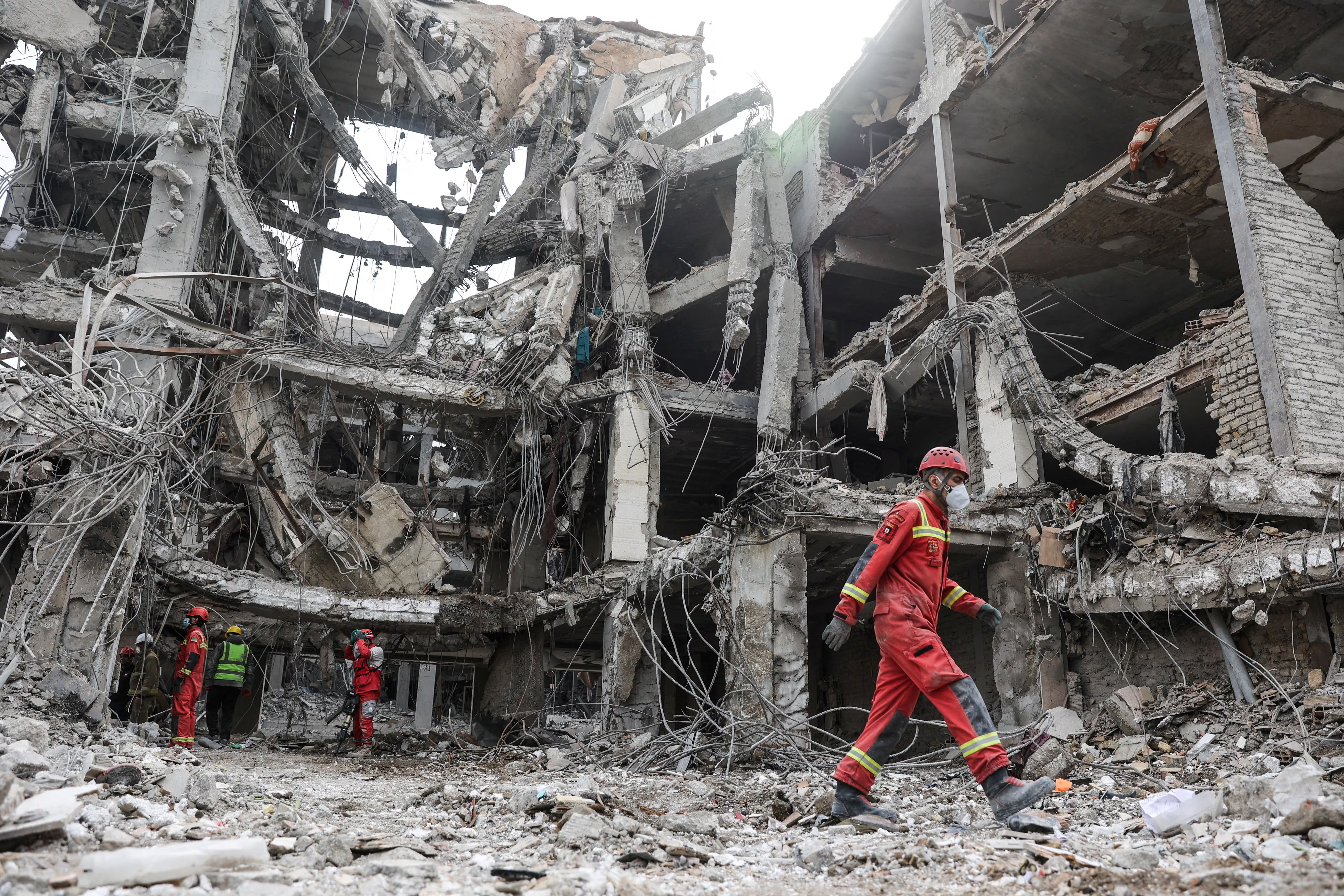
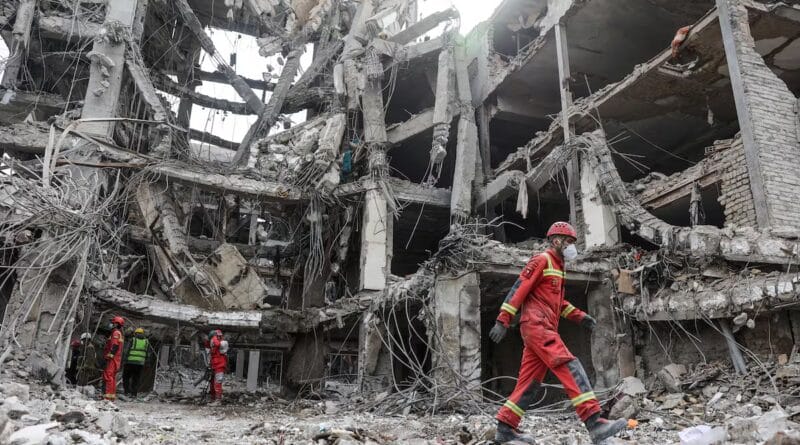
As Iran continues to retaliate against US and Israeli military action, the region faces growing instability and soaring oil prices.
Iran’s military strategy in the ongoing conflict with the United States and Israel has intensified, as the country retaliates against military assaults despite its obvious military inferiority. Following a series of high-profile attacks attributed to Iran, which have targeted six ships in the Persian Gulf since late February, the cost of oil has surged past $100 a barrel. The escalation threatens to destabilize both the Middle East and global energy markets.
Iranian Attacks on Ships and US Military Targets
Since February 28, Iran has struck six ships in the Persian Gulf, including three on March 13: two in the Iraqi port of Basra and one off the coast of the United Arab Emirates. This follows similar attacks earlier in the week, which have led to heightened tensions across the region. Iran has claimed responsibility for these operations, and the country’s newly-appointed supreme leader, Mojtaba Khamenei, has vowed to avenge the “martyrs” of the conflict. In his first message since assuming the role, Khamenei called for continued strikes against US bases and demanded that the Strait of Hormuz be kept closed to put additional pressure on Western powers.
“The closure of the Strait of Hormuz must continue as a tool to pressure the enemy,” Khamenei declared. “We will continue attacking US bases in the region, and we urge the countries hosting them to clarify their position on those who have killed our people.”
The oil market has been significantly affected by these strikes. The increase in tensions has pushed crude oil prices above the psychological barrier of $100 per barrel. In response to the disruptions, US President Donald Trump authorized the release of 172 million barrels from the nation’s oil reserves, while thirty nations from the International Energy Agency agreed to release 400 million barrels onto the market to stabilize prices.
Iranian Retaliation Against Israeli and Regional Targets
Iran’s military response has not been limited to the Persian Gulf. The country has expanded its retaliation, launching coordinated attacks with its ally Hezbollah, targeting both Israeli and regional locations. On March 12, Iran launched a barrage of 200 rockets at northern Israel, the largest such attack to date. The Iranian military has also used drones to strike targets in Kuwait, Dubai, Bahrain, and Saudi Arabia, further spreading the conflict.
The Kurdish region of Iraq has also been caught in the crossfire, with 40 drones and missiles hitting targets in Iraqi Kurdistan, including an Italian military base in Erbil. Italy’s Defense Minister, Guido Crosetto, confirmed the strike, asserting that the attack on the base was deliberate.
These regional attacks are part of Iran’s broader military strategy, which aims to bolster its alliances with regional militias, including Hezbollah and the Houthi rebels in Yemen. Despite the significant toll these actions have taken on both civilian and military targets, they have not yet succeeded in achieving their ultimate goal: dismantling Iran’s nuclear program, missile capabilities, and alliances.
Escalating Humanitarian Crisis and the Global Consequences
As the conflict continues, the human cost is mounting. According to the United Nations, over 2,000 people have died, with the majority of casualties being civilians in Iran. The UN High Commissioner for Refugees (UNHCR) has reported that more than 3.2 million people are internally displaced within Iran, and neighboring countries like Turkey are bracing for a possible influx of refugees.
Despite these heavy losses, the Iranian government maintains control, with US intelligence reports confirming that the Islamic Republic has not been on the brink of collapse. The ongoing conflict has not only caused a humanitarian crisis but has also put immense pressure on regional stability and global energy markets.
While the United States and Israel have aimed to undermine Iran’s military capabilities, particularly its nuclear program and missile systems, these objectives remain far from realized. Israeli airstrikes have targeted Iran’s nuclear facilities, such as the Taleqan complex near Tehran, but Iran still holds significant amounts of enriched uranium and has developed the technological expertise needed to pursue a nuclear weapon.
Iran’s missile capabilities, though degraded, continue to be a threat, and its network of alliances remains intact. In fact, recent developments suggest that the war has even revived these alliances, with Hezbollah and Iran launching joint operations against Israel.
Iran’s Strategy: Survival and Resistance
The Iranian regime’s survival remains its primary objective. Unlike the United States and Israel, which have set ambitious goals to dismantle Iran’s nuclear and missile programs and destroy its network of regional alliances, Iran only needs to endure and maintain its control to declare victory.
Luciano Zaccara, a professor at Georgetown University, noted, “The Islamic regime just needs to survive to declare a victory.” This contrast in objectives highlights the asymmetry of the conflict, with Iran focused on resistance and survival, while the US and Israel aim for a broader transformation of the regional balance of power.
As the war continues to unfold, it remains uncertain whether the US and Israel will achieve their goals or if Iran will find a way to endure and emerge victorious. The long-term effects on the Middle East’s security landscape and the global economy are still unknown, but the stakes have never been higher.
Editor’s Insight:
Our editorial team will continue to monitor this situation as new details emerge.
The implications of this story extend beyond borders and could affect millions of people globally.
Follow our coverage for real-time updates on this and other major global stories.
Source: This article was originally published in another language by Internacional en EL PAÍS and has been translated and adapted for our global English-speaking audience. Read the original article here.