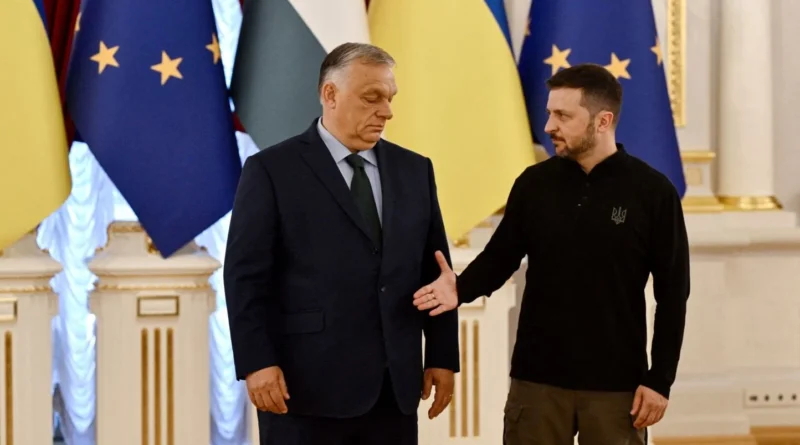
UPDATE: Zelensky against Orbán… Why the two men hate each other
According to recent reports, the following story has emerged from the international scene.
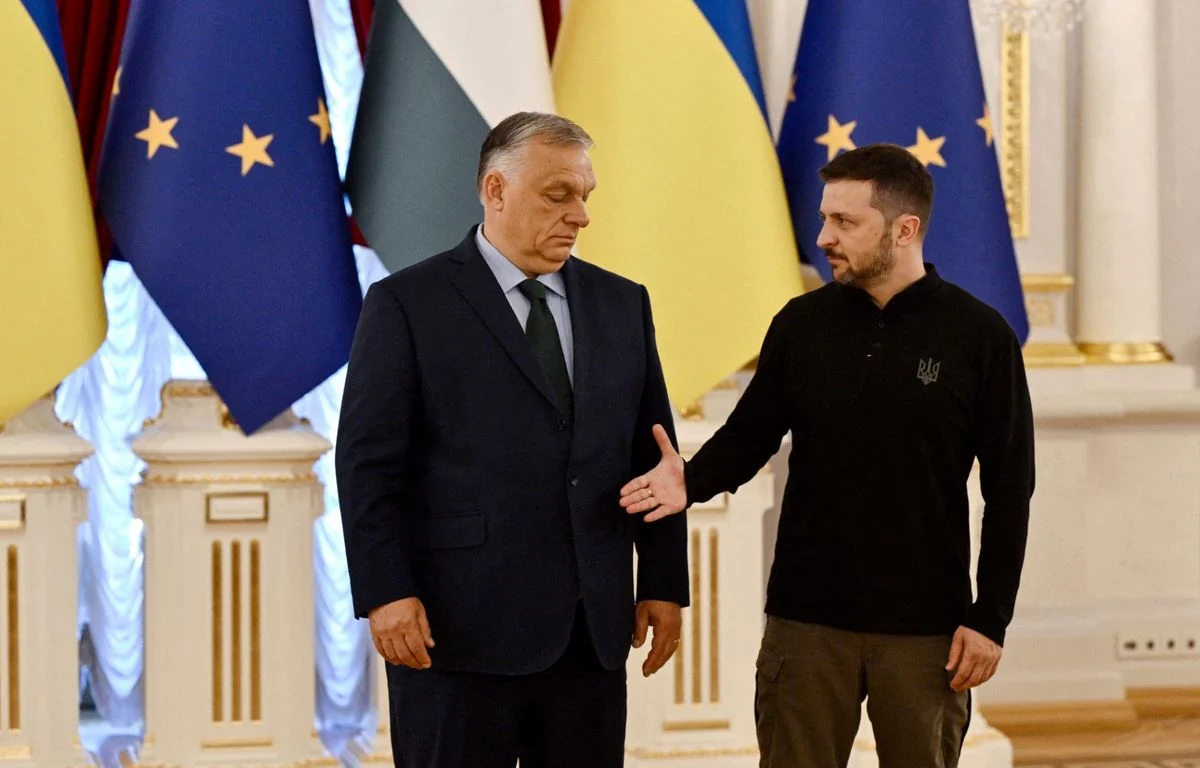
Relations between Kyiv and Budapest hit new lows as Hungary’s close ties with Russia fuel diplomatic disputes.
Relations between Hungary and Ukraine have plummeted since the beginning of Russia’s invasion of Ukraine, with tensions reaching a boiling point in recent weeks. Hungary, a European Union member, stands as one of the few countries in the bloc to maintain close ties with Russia, much to the chagrin of Ukrainian officials. The countries, which share a 140-kilometer border, have had deteriorating relations for four years, but recent events have exacerbated the divide, further souring an already contentious relationship.
The “Friendship” Pipeline: A Symbol of Division
One of the major sources of tension lies in Hungary’s continued reliance on Russian oil, facilitated by the so-called “friendship” pipeline, known as droujma in Russian. The pipeline, which stretches over 4,000 kilometers, has been vital in supplying Russian oil to Slovakia and Hungary—two of the few European countries still importing it despite EU sanctions. However, after a Russian strike in January, the pipeline has been out of service. Hungarian Prime Minister Viktor Orbán has blamed Ukraine for delaying repairs, a charge that Ukrainian President Volodymyr Zelensky has made no effort to deny.
Zelensky has openly stated that Ukraine would not prioritize fixing the pipeline, even acknowledging that it could be restored within a month and a half. “This is Russian oil. They are killing us, and we should be supplying oil to Orbán because poor Orbán cannot win the elections without this oil,” Zelensky remarked. His refusal to act has only deepened the animosity between the two nations, especially given the backdrop of rising oil prices and the ongoing conflict in the Middle East.
Orbán’s Veto and Zelensky’s Threats
The tension escalated further when Orbán used his influence within the European Union to block a crucial 90 billion euro loan for Ukraine. As part of his strategy to pressure Kyiv, Orbán also obstructed new EU sanctions against Russia. These actions prompted a sharp response from Zelensky, who issued a veiled threat on Thursday, warning that “we will give this person’s address to our armed forces, to our guys. Let them call him and speak to him in their own language.”
This remark was met with outrage from EU officials, with European Commission spokesperson Olof Gill condemning Zelensky’s language. “This type of language is unacceptable. There must be no threat against EU member states,” Gill stated, highlighting the delicate balance of diplomacy within the union.
Ukraine’s Advisory Against Travel to Hungary
In another significant development, the Ukrainian government has advised its nationals against traveling to Hungary, citing security concerns and arbitrary actions by Hungarian authorities. The advisory followed Hungary’s decision to expel seven Ukrainians, accusing them of transporting gold and foreign currency from Austria. In retaliation, Orbán made it clear that Hungary would cease allowing vital goods to transit through the country until Ukraine gave its approval for oil deliveries.
“We will stop letting things important for Ukraine transit through Hungary, until we receive approval from Ukraine for oil deliveries,” Orbán said, further deepening the rift between the two nations.
Hungary’s Electoral Maneuvering
In the midst of Hungary’s tense relationship with Ukraine, Orbán has also faced significant internal challenges, with Hungary’s economy struggling and his approval ratings dipping. Seeking to regain political momentum ahead of the upcoming elections, Orbán secured the release of several Ukrainian-Hungarian soldiers from Russian captivity, a move that Kyiv condemned as “cynical” political maneuvering. The gesture was seen as an attempt to bolster Orbán’s position domestically, but Kyiv has dismissed it as an exploitation of wartime prisoners for electoral gain.
The escalating friction between Hungary and Ukraine marks a significant shift in European geopolitics. As Hungary maintains its unique stance within the EU—relying on Russian oil and blocking financial assistance to Ukraine—relations between the two neighboring countries appear set to remain at a standstill for the foreseeable future.
Analysis and Perspective:
This development could have far-reaching consequences for global politics in the months ahead.
This is part of a broader trend that has been reshaping the geopolitical landscape in recent months.
Stay tuned for more updates as this story continues to unfold.
Source: This article was originally published in another language by 20Minutes – Actu Monde and has been translated and adapted for our global English-speaking audience. Read the original article here.